

Cut Window Heat 78–86%: Window Film vs Blinds for Homeowners
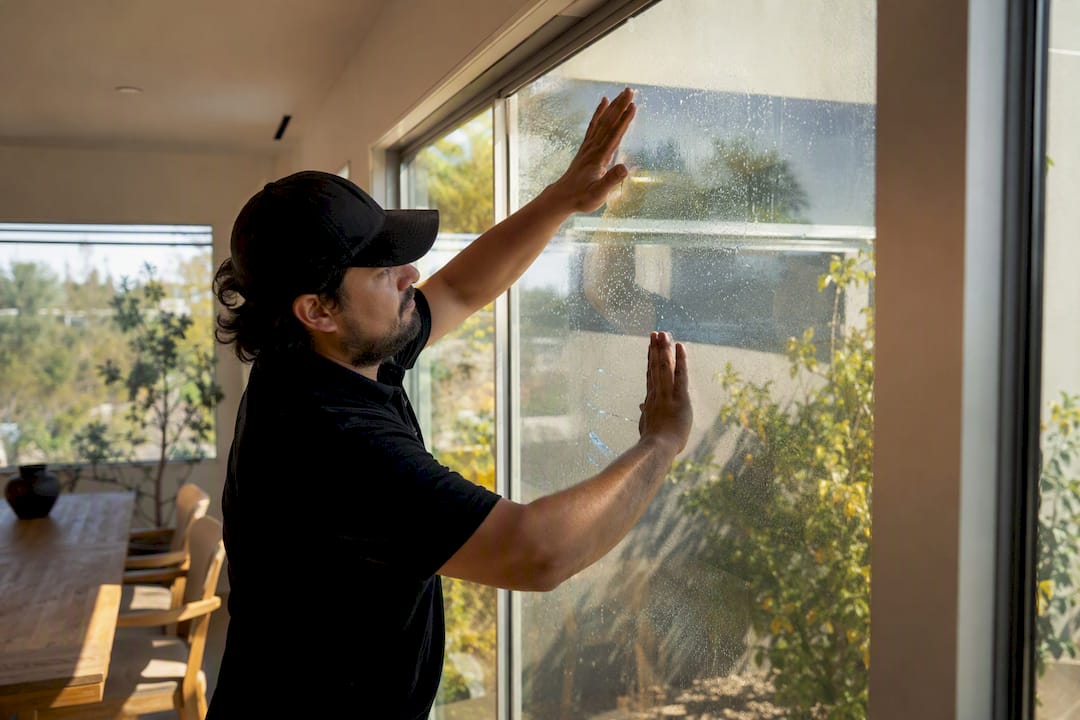
For year-round heat and UV protection while keeping your view intact, window film is usually the smarter baseline. Blinds still earn their spot for total blackout or privacy you can switch on and off at will. Most homes end up happiest running both: film doing the constant work of blocking heat and UV, blinds or shades stepping in at night or whenever full darkness matters.
TL;DR:
- Window film continuously blocks 78 to 86 percent of solar heat and over 99 percent of UV radiation, outperforming blinds in energy savings and furniture protection.
- Blinds are more flexible for blackout and switchable privacy, but they require regular maintenance and only block heat when fully closed.
- The typical cost over 15 years favors film, as it lasts longer, needs fewer replacements, and contributes to lower heating and cooling bills.
- For rooms prone to heat gain or fading, a hybrid approach with film as a base layer and blinds for blackout is most effective.
- Professional installation and proper selection of high-quality film can significantly extend durability and maximize energy and safety benefits.
Table of Contents
- Window Film vs. Blinds: The Basic Difference
- Pros and Cons of Blinds
- Pros and Cons of Window Film
- How Window Film and Blinds Stack Up Side by Side
- What Window Film and Blinds Actually Cost Over Time
- Choosing Blinds, Film, or Both by Room
- Installation, Maintenance, and What to Ask Before You Sign
- The Insulation Benefit Nobody Mentions
- Safety and Pet Considerations: Cords, Glass, and Everyday Risk
- Environmental Trade-Offs Worth Knowing
- Why We Default to Film First
- How Twtwindowfilm Makes the Recommended Approach Easy
- Sources
Window Film vs. Blinds: The Basic Difference
Blinds are a mechanical light-control device. Raise them, lower them, tilt the slats, and you change how much sun gets in. Common types include venetian blinds (horizontal slats), roller shades, cellular shades (honeycomb-shaped for insulation), and dedicated blackout shades. Every one of them requires a hand on the cord or wand to do its job.
Window film works differently. It’s a thin laminate applied directly to the glass that rejects, reflects, or absorbs solar energy before it ever enters the room. There’s nothing to open or close.
- Solar film: cuts heat and glare while staying nearly clear
- Privacy or decorative film: obscures the view without blocking light
- Frosted film: mimics etched glass for bathrooms and offices
- Security film: reinforces glass against impact and forced entry
The operational split matters more than it sounds. Blinds are active. Film is passive. One needs you to remember to adjust it twice a day; the other just sits there working.
Pros and Cons of Blinds
Blinds win on flexibility. You can black out a nursery at nap time and open it wide an hour later. They’re cheap to buy at almost any big-box store, and the design options run from minimalist roller shades to ornate wood venetians that match a specific interior style.
- Instant, adjustable light control
- True blackout available (with the right shade type)
- Lower upfront cost than most film installations
- Wide range of decorative finishes
The trade-offs show up over time. Blinds only block heat and UV when they’re closed, and most households don’t keep them shut all day. Dust collects on slats fast, cords fray, and cellular shades can sag or discolor within a few years. When they’re down, your view is gone entirely.
Pro Tip: If you’re leaning toward blinds for a west-facing room, pair them with a solar film underneath. The film keeps working even when the blinds are wide open during the day.
Blinds make the most sense in bedrooms, rentals, and rooms where you genuinely need to flip between fully open and fully dark on a daily basis.
Pros and Cons of Window Film
Film’s biggest advantage is that it never turns off. High-performance solar window film can reject roughly 78 to 86 percent of solar heat, and it does that all day, every day, whether anyone’s home or not. Compare that to blinds, which only cut a moderate fraction of heat, and only while fully closed.
By the numbers: Solar window film commonly blocks 99 percent or more of UV radiation, which is the primary reason wood floors, rugs, and furniture stop fading near tinted windows.
Because the glass stays clear, you keep the view and the daylight. Glare drops noticeably, which matters if you’ve ever tried to watch TV or work on a laptop facing a bright window.
- Continuous heat rejection, no daily adjustment needed
- Near-total UV blocking protects furniture and flooring
- Preserves sightlines and natural light
- Professionally installed film often lasts 15 to 20+ years with minimal upkeep
The honest downsides: film isn’t a blackout solution, some reflective films reduce privacy at night once your interior lights are on, and quality installation matters enough that professional application is usually worth the cost over a DIY kit. Poorly applied film can bubble or peel, which is a common complaint installers hear when a homeowner tries to cut corners.
How Window Film and Blinds Stack Up Side by Side
The clearest way to see the trade-off is to line up the categories that actually affect daily comfort.
| Factor | Window Film | Blinds |
|---|---|---|
| Heat/solar rejection | 78–86% (continuous) | moderate heat reduction (closed only) |
| UV protection | 99%+ | Variable, only when closed |
| Privacy, daytime | High | High when closed |
| Privacy, nighttime | Lower for reflective films | High when closed |
| View/light preservation | Excellent | None when closed |
| Blackout capability | No | Yes, with blackout shades |
A few patterns stand out. Film wins decisively on anything measured continuously: heat, UV, energy load. Blinds win on anything that needs to be switched off entirely: blackout, total nighttime privacy. Blinds can also trap heat between the glass and the slats, creating a mild greenhouse effect that film avoids by rejecting solar energy right at the glass surface.
For rooms where both matter, most installers recommend the hybrid: film as the constant baseline, blinds or shades added where blackout is non-negotiable. South-facing bedrooms are the classic case where this combination balances thermal comfort with on-demand darkness.
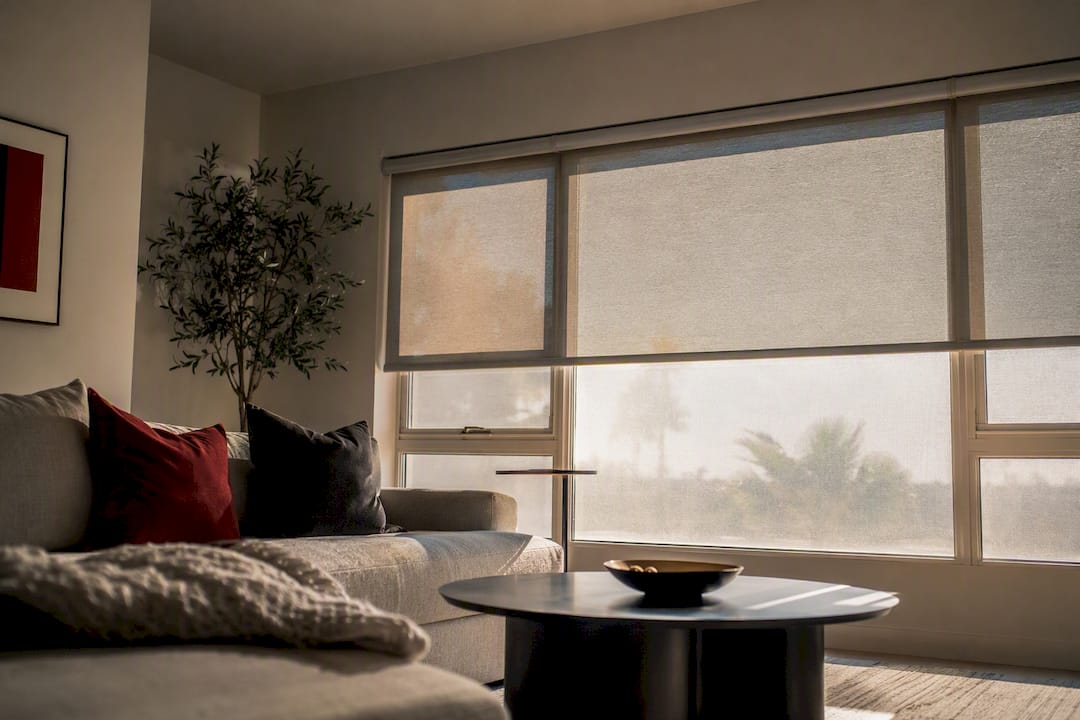
What Window Film and Blinds Actually Cost Over Time
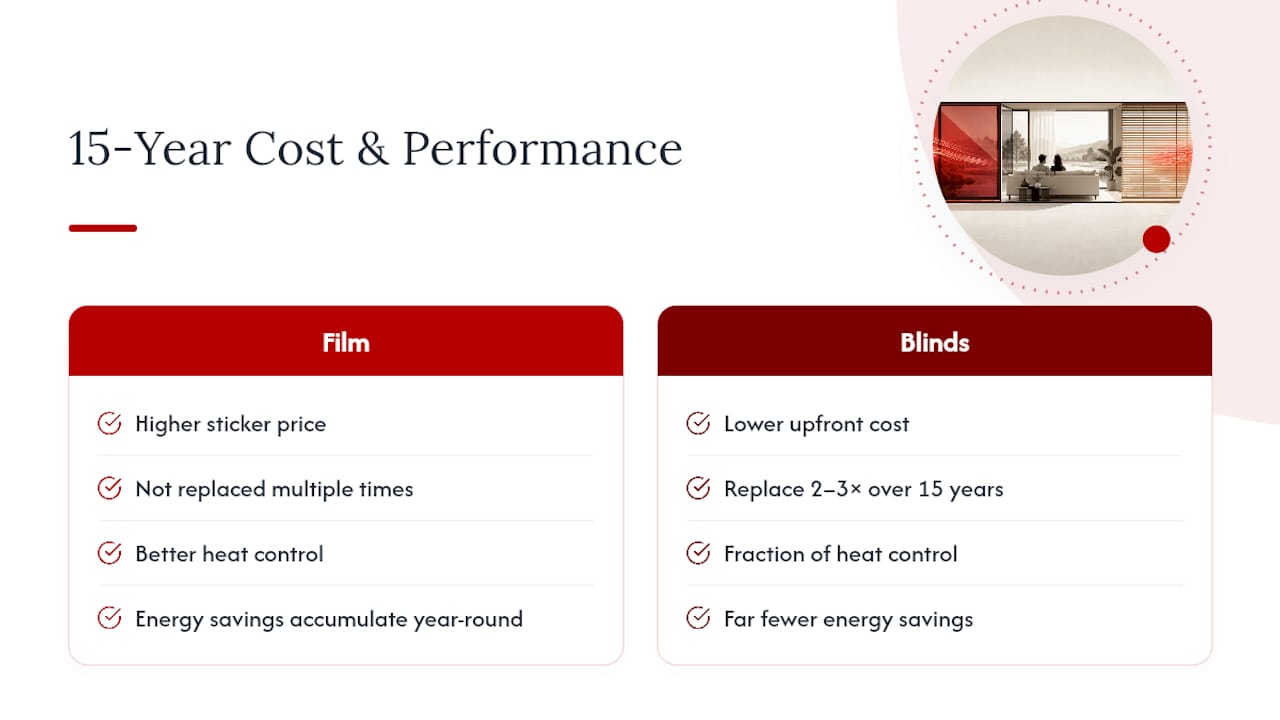
Sticker price only tells part of the story. Blinds look cheaper upfront, but you’re replacing them more often and getting a fraction of the heat control.
Run the math over 15 years and film often comes out ahead. You’re not replacing it two or three times like you would with a set of blinds, and the energy savings from year-round heat rejection keep accumulating in the background. Add in less fading on floors and furniture, and the total cost of ownership tilts toward film even though the sticker price sits higher.
Choosing Blinds, Film, or Both by Room
- Bedrooms: Combine film with blackout shades. You get heat and UV control all day, then full darkness at night without relying on curtains.
- Living rooms: Film alone usually covers it. Most living spaces need less blackout and more consistent glare and heat control.
- Kitchens: Film handles the glare off countertops and stops sun-fading on cabinets, without blocking the view over the sink.
- Sunrooms and enclosed patios: Film is close to essential here. These rooms bake without it, and blinds alone won’t stop the greenhouse effect from all that glass.
The quick heuristic: if fading and heat are the real problem, choose film. If blackout or switchable privacy is the priority, add blinds. If both matter in the same room, run them together.
Pro Tip: Walk your house at 2 p.m. on a sunny day and note which rooms you’re avoiding because of glare or heat. Those are your priority windows for film, regardless of what’s already hanging over them.
Installation, Maintenance, and What to Ask Before You Sign
DIY film kits can work for a small bathroom window or a single pane, but larger windows and anything with a manufacturer warranty attached deserve professional application. Bubbling, peeling, and uneven edges are the most common complaints tied to amateur installs, and a bad job can void the warranty on the glass itself.
Before hiring anyone, verify your window manufacturer’s warranty terms. Many premium films, including 3M and LLumar products, carry strong product and installation warranties, but the only way to know for sure is an on-site evaluation.
- Ask whether the installer offers a lifetime warranty on labor and materials
- Confirm the film brand and grade being used, not just “solar film”
- For blinds, budget for periodic cord replacement and slat cleaning
- Request a written estimate before any work begins
Maintenance-wise, film needs little more than a soft cloth and mild cleaner. Blinds need regular dusting and the occasional cord or tilt-mechanism repair, which adds up over a decade of ownership.
The Insulation Benefit Nobody Mentions
Most people think about window film purely in terms of summer heat. What gets skipped is what it does in cooler months. Certain film types add a layer of insulation to the glass, slowing heat loss from inside the house back out through the window. That’s a second win layered on top of solar rejection, and it shows up as a modest but real reduction in heating costs during colder stretches.
Cellular shades have a reputation for insulation too, and it’s earned. Their honeycomb structure traps air and slows heat transfer, which is why they outperform flat blinds for winter comfort. But cellular shades only insulate when closed. Leave them open during the day to get natural light, and that benefit disappears exactly when the sun is working against you or, in winter, when you’d want the heat gain from direct sunlight.
Film doesn’t force that trade-off. It keeps rejecting summer heat and slowing winter heat loss regardless of whether anyone in the house remembers to touch a cord that day. For south- and west-facing glass in particular, that combination of summer heat rejection and modest winter insulation adds up to a lower year-round cooling and heating load than blinds can deliver on their own.
The practical takeaway: if your energy bills spike hard in July and again in January, the window treatment doing the least amount of daily work for the most consistent payoff is film. Blinds can supplement that insulation benefit at night when closed, but they’re not a substitute for it.
Safety and Pet Considerations: Cords, Glass, and Everyday Risk
Cord-based blinds carry a real hazard for young children and pets. Loose cords are a strangulation risk that’s well documented enough that many newer blind products ship with cordless or motorized designs specifically to address it. If you have toddlers or curious dogs that chew, cordless cellular shades or motorized blinds are the safer version of the same product category.
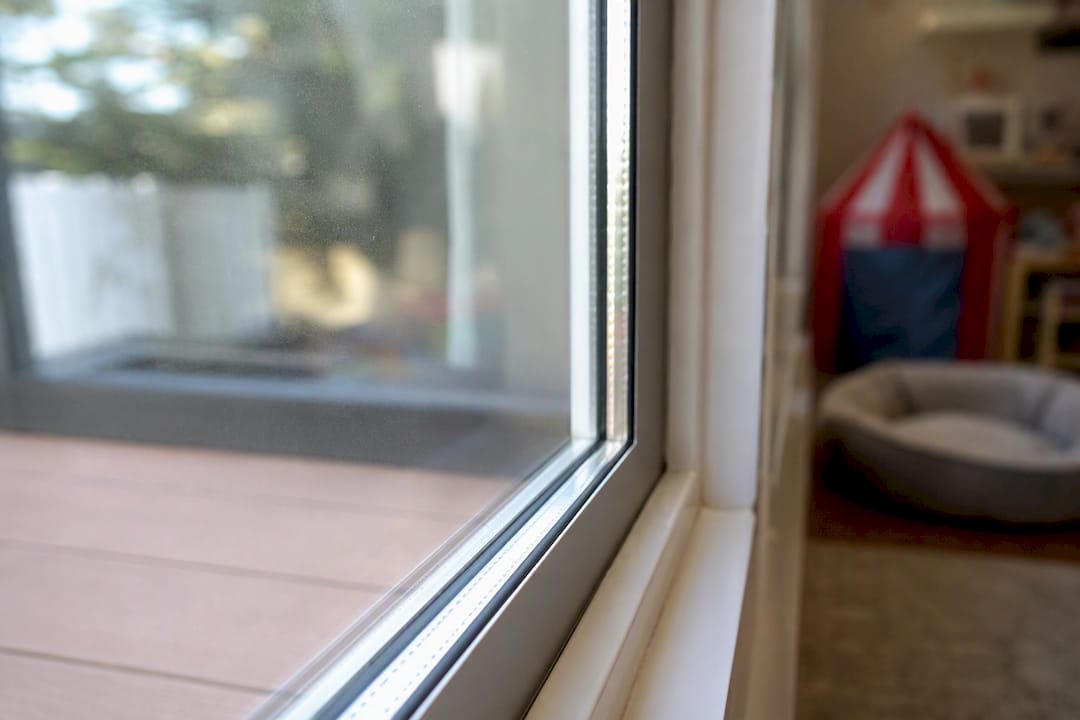
Window film sidesteps that risk entirely since there’s nothing hanging, dangling, or swinging near a crib or a play area. It’s a flat surface bonded to the glass. The safety angle that does matter for film is different: security film thickness and adhesion quality. A basic decorative or solar film won’t add meaningful impact resistance, but a dedicated security film can hold shattered glass together after an impact, which reduces injury risk from broken shards during storms, accidents, or attempted break-ins.
Pets bring their own wear pattern to both options. Cats and dogs scratch at blind slats and chew cords more often than owners expect, which shortens the useful life of cheaper blinds considerably. Film has no moving parts for a pet to damage, though a determined dog can still scratch the surface of the glass itself, film or no film. Claws and film generally coexist fine as long as pets aren’t repeatedly pressed against the window.
If safety is the deciding factor in a household with small kids or pets, cordless blinds paired with film gives you the best of both. No dangling cords for kids to reach, no compromise on heat and UV protection, and a security film option if impact resistance matters for ground-floor windows.
Environmental Trade-Offs Worth Knowing
Neither product is perfectly green, but the sustainability math tilts differently depending on what you weigh. Blinds, particularly the cheaper aluminum and PVC varieties, tend to have shorter lifespans, which means more units heading to landfills over a 15-year window compared to a single film application. Wood and bamboo blinds are a better environmental story on the materials side, but they still require replacement roughly every 5 to 10 years.
Window film’s environmental case rests mostly on its energy impact rather than the material itself. A polyester film applied once and left in place for 15 to 20 years reduces the cooling load on your HVAC system for the entire time it’s installed, which translates into lower electricity draw and a smaller carbon footprint tied to that usage. The film itself is a thin, lightweight product, so the manufacturing footprint per window is relatively small compared to a full blind assembly with hardware, brackets, and mechanical parts.
The wrinkle is disposal. Film removal at the end of its life requires some care since it’s laminated to glass, and improperly removed film can leave adhesive residue that complicates recycling the glass itself. Blinds are easier to disassemble and, depending on material, easier to recycle piece by piece.
Neither choice is a clear environmental winner across every category. If your priority is minimizing landfill turnover, film’s longer lifespan helps. If your priority is end-of-life recyclability, well-made wood or metal blinds have an edge. Either way, the bigger sustainability lever is almost always the energy savings from reduced cooling demand, and that favors whichever option is actually installed and doing its job consistently, which in most homes ends up being film.
Why We Default to Film First
Most people assume blinds are the safer, cheaper first move. In practice, film usually earns its cost back faster because it never stops working. Since 2008, we’ve installed enough of both to trust the pattern: film as the baseline, shades added only where blackout genuinely matters. Start by identifying your worst-offending windows, then request a free on-site estimate to compare real options for your home.
— Jake
How Twtwindowfilm Makes the Recommended Approach Easy
Getting the film-first approach right depends entirely on the installation, and that’s where Twtwindowfilm’s residential window film services come in. Every job runs on premium 3M and LLumar materials backed by a lifetime warranty, so you’re not gambling on a DIY kit bubbling within a year.

A free on-site estimate is where the real decision-making happens. One of our technicians walks your home, identifies which windows are driving your heat and glare problems, and recommends the right solar and privacy film for each room, whether that’s a south-facing living room or a bedroom that also needs blackout shades layered on top. Scheduling is straightforward once you’ve reviewed your options and picked a film grade that fits your budget and goals.
If you’re in Orange County or Los Angeles County and tired of guessing whether film or blinds will actually fix your worst room, request a free estimate and get a straight answer based on your actual windows.
Sources
- Cali Auto Glass & Tint — Window tinting vs blinds vs shutters
- RenoHouse — Window film vs blinds vs shades