

Plan Around Cure Time: Window Film Installation Time, 5 Phases
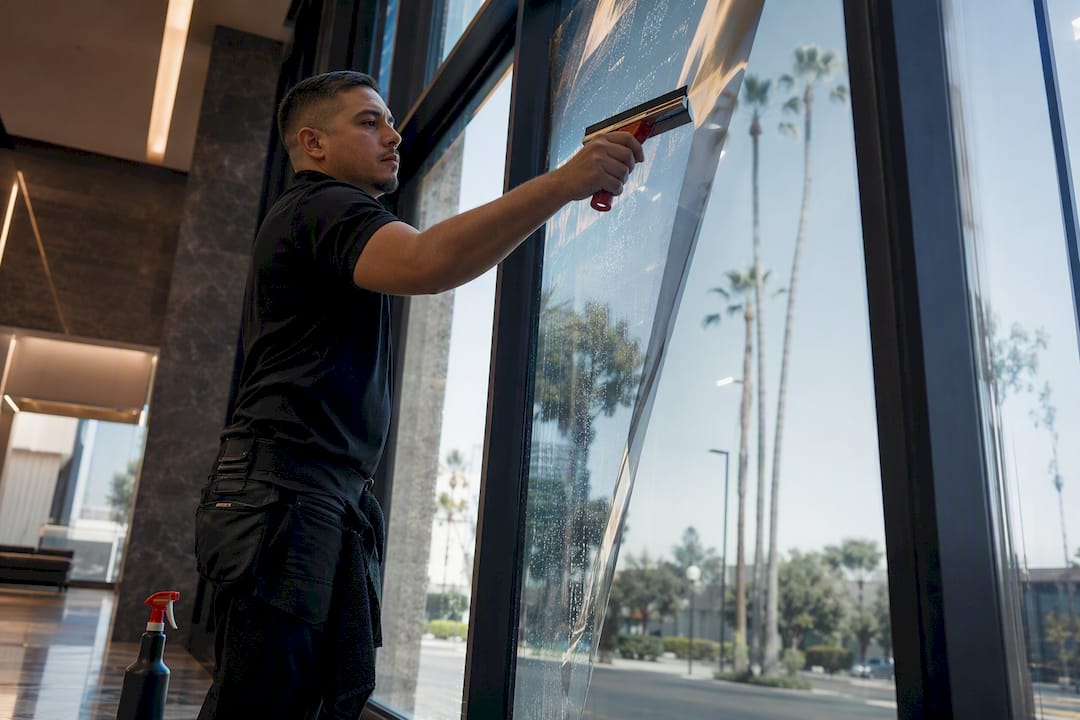
Most car tint jobs take 1 to 4 hours on-site, residential installs take a few hours to a full day, and commercial projects often take several days. Curing, the part that happens after the installer leaves, typically takes 3 to 10 days and occasionally up to a month in cold or shaded conditions. The film blocks heat and UV rays right away, but full clarity and adhesion strength take the entire cure window to settle in.
TL;DR:
- Car tint jobs typically take 1 to 4 hours on-site, while residential projects can be completed in a single day, depending on window count.
- Full curing of window film generally takes 3 to 10 days, but can extend up to a month in cold, shaded, or North-facing conditions.
- Factors such as old film removal, complex patterns, difficult frames, and weather conditions can significantly increase installation and curing times.
- Post-installation care requires waiting at least 3 to 5 days before cleaning or rolling down vehicle windows to prevent damage or liftings.
- Experienced professional installers backed by warranties are key to minimizing cure problems and ensuring proper adhesion and longevity.
Table of Contents
- How Long Does Window Film Installation Take by Project Type?
- What Does “Curing” Mean, and How Long Does It Take?
- What Factors Change Your Installation and Curing Time?
- What Happens During Each Phase of Installation?
- What Should You Do (and Avoid) While Film Cures?
- Why Professional Installation Reduces Cure Problems
- An Installer’s View on Scheduling Surprises
- Ready to Book Your Window Film Installation?
- Sources
How Long Does Window Film Installation Take by Project Type?
The gap between a sedan and a mid-rise office building is bigger than most people expect, and it comes down to glass count, access, and film complexity.
Automotive jobs are the fastest. A sedan usually takes 1 to 2 hours, while an SUV or truck with more glass and curved rear windows can run closer to 1 to 4 hours total. Aftermarket ceramic film adds a bit more time than standard dyed film because it’s stiffer to work with around curves.
Residential jobs scale with window count, not square footage. A single room with two or three windows might be done in an hour or two. Whole-home projects, common in Southern California where nearly every room faces direct sun, often wrap up within a single workday unless the home has unusual glass shapes or old film that needs stripping first.
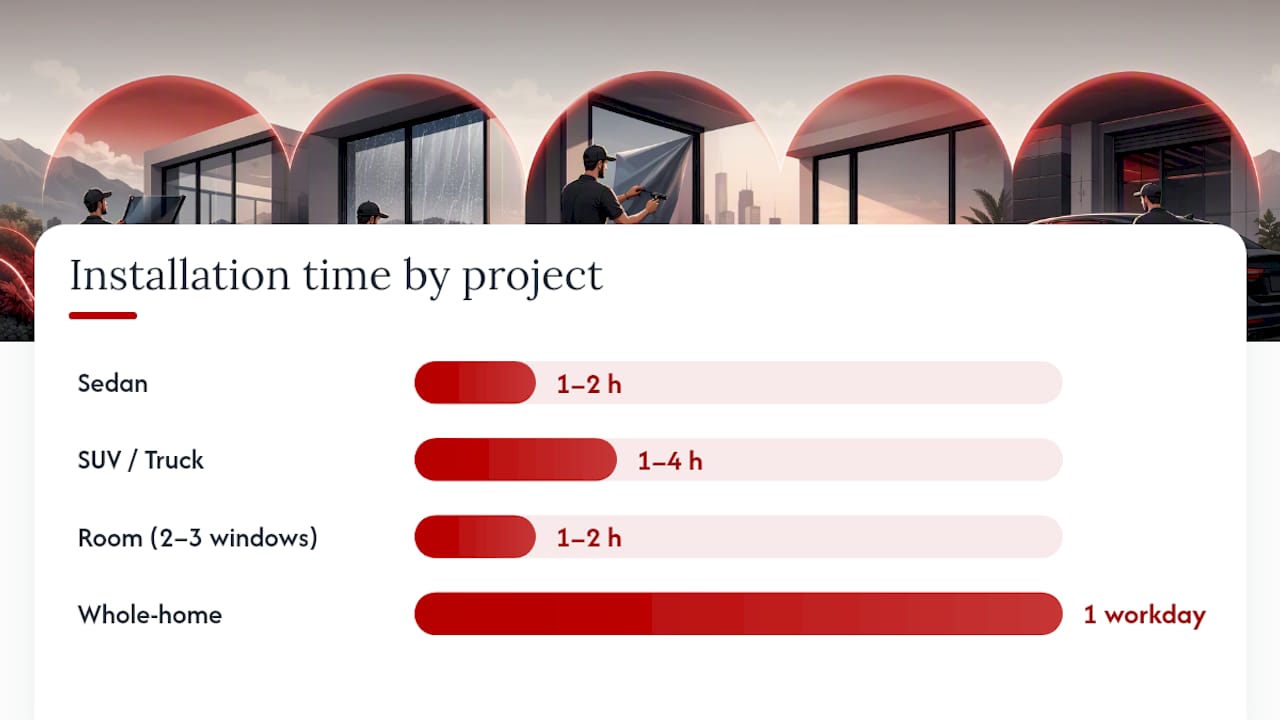
Commercial jobs run on a different clock entirely. A single floor with standard glass might take a day; a full building façade often gets phased over multiple days so the business keeps operating.
A few conditions push any project past the typical range:
- Removing old film adds significant time, since dried adhesive has to be scraped and cleaned before new film goes on.
- Decorative or frosted patterns that need to align across multiple panes slow the cutting and placement stage.
- Difficult frames, like deep-set or oddly angled sashes, make trimming slower and less forgiving.
What Does “Curing” Mean, and How Long Does It Take?
Curing is the drying phase after installation, when the leftover application solution trapped under the film evaporates and the adhesive bond reaches full strength. It’s separate from installation time, and it’s the part most first-time customers don’t plan for.
Industry sources put the typical cure window at 3 to 10 days, with warmer, drier climates on the faster end. That range shifts hard at the extremes: a sun-exposed pane on a warm day might cure in a few days, while a heavy-gauge security film on a shaded, north-facing window in winter can take over a month.
What you’ll see during cure:
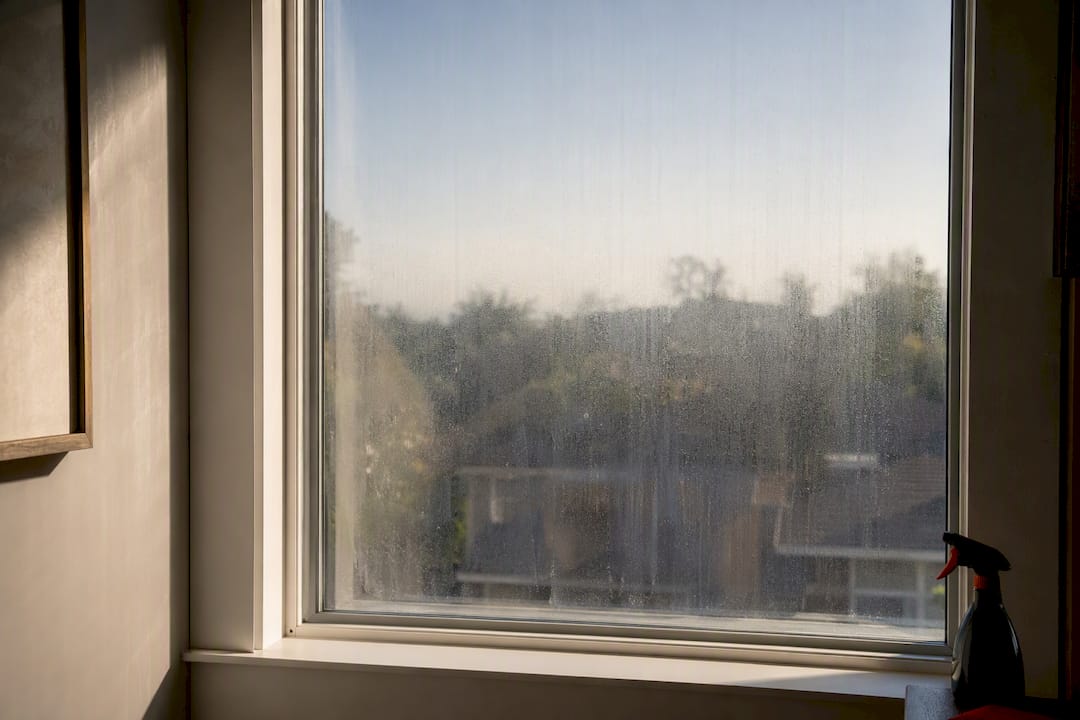
- Small water pockets or bubbles under the film, which are normal and not a defect.
- A slight haze or milky look that clears as moisture escapes through the edges.
- Full UV and heat rejection working from day one, even while the film still looks slightly cloudy.
In edge cases, orientation and season combine to push the cure period out to 30 to 60 days. That’s rare, but it’s why installers ask about window orientation before quoting a timeline.
What Factors Change Your Installation and Curing Time?
A handful of variables decide whether your project lands at the fast end of the range or the slow end. Check these before your appointment so the estimate you get actually matches what happens:
- Temperature and humidity. Warm, dry air speeds up evaporation and shortens cure time; cold, damp air slows both.
- Film type and thickness. Standard solar films install and cure faster than thicker safety and security films, which need more tension and edge finishing, often adding 20 to 30% more on-site time.
- Sun exposure. South and west-facing glass in direct sun cures noticeably faster than shaded, north-facing panes.
- Glass condition and frame type. Old film, textured glass, or recessed frames all slow down prep and trimming.
- Installer experience and crew size. A two-person crew on a large commercial floor finishes far faster than a solo installer working the same square footage.
What Happens During Each Phase of Installation?
A typical job breaks into five distinct phases, and knowing what’s happening at each stage helps you judge whether things are moving normally or running long.
- Site prep and access (10 to 60 minutes). The crew moves blinds, furniture, and anything blocking the glass, then sets up a clean work area.
- Cleaning and decontamination. This step is non-negotiable for good adhesion. Older glass with years of buildup takes longer to scrub than newer, well-maintained windows. A thorough pre-clean of window tracks and frames before the crew arrives can shave real time off this stage.
- Measuring and cutting. Pre-cut film moves fast; in-place trimming takes longer, and pattern-matched decorative film adds the most time here since alignment across panes has to be exact.
- Application and squeegeeing. The wet slip solution gives installers a short working window to position the film before it starts to tack down. Skilled squeegee technique matters more than speed here, since rushing traps moisture that extends your cure time later.
- Trimming, edge finishing, and inspection. The installer trims excess film, checks every edge for lifting, and does a final walkthrough before cure officially begins.
Pro Tip: Ask your installer to point out any small water pockets before they leave. Knowing what’s normal now saves you a worried phone call three days into cure.
What Should You Do (and Avoid) While Film Cures?
Aftercare during the cure window matters as much as the install itself. Get it wrong and you risk lifted edges or a voided warranty.
- Wait at least a few days before cleaning newly filmed glass, and use a soft cloth with a mild, ammonia-free cleaner when you do.
- For vehicles, avoid rolling windows down for 3 to 5 days minimum, longer in cold or humid weather, since the film hasn’t fully bonded and can shift or peel at the edge.
- Expect temporary haze or small water pockets. These clear on their own.
- Call your installer if you see edge lifting, bubbling that doesn’t shrink over a week or two, or discoloration.
Pro Tip: Mark your calendar for a follow-up look two weeks after installation. If something’s still hazy or bubbled past that point, it’s worth a quick call rather than waiting it out.
Why Professional Installation Reduces Cure Problems
Most cure complaints, permanent haze, lifted edges, and trapped bubbles, trace back to rushed cleaning or inexperienced squeegee work, not the film itself. Since 2008, Twtwindowfilm has installed 3M and LLumar film across Orange County and Los Angeles County, backed by a lifetime warranty. Trained crews clean glass properly, apply correct tension, and know how local climate affects cure. When booking any installer, ask directly about warranty terms, film brand, and post-cure care instructions.
An Installer’s View on Scheduling Surprises
Old film removal and a sudden cold front are the two things that blow up a schedule fastest. My advice: build in a buffer day after installation for a clarity check before you plan around a fully cured window.
— Jake
Ready to Book Your Window Film Installation?
Window film installation services cover residential, commercial, security, and decorative applications across Southern California, with many jobs backed by a lifetime warranty on materials and workmanship.

Before requesting a quote, have a few details ready: your window count, film preference (solar, security, or decorative), any access constraints like second-story glass or restricted business hours, and a few photos of the windows in question. That lets the estimate you get actually reflect your project’s real timeline instead of a generic average.
Whether you’re tinting a single home office or phasing a full office tower, the fastest way to get a real number instead of a guess is a free on-site estimate. During the visit, an installer measures your glass, checks frame type and access, and walks you through exactly what your installation day and cure window will look like before any work begins.
Sources
- How long does window film take to fully cure on a home or building | Madico
- Cure time — Window tinting glossary | Infratint
- How long does it take to tint car windows, and what to expect? | Ceramic Pro