

Possible Payback Under 3 Years: Low-E Window Film for Owners, Managers
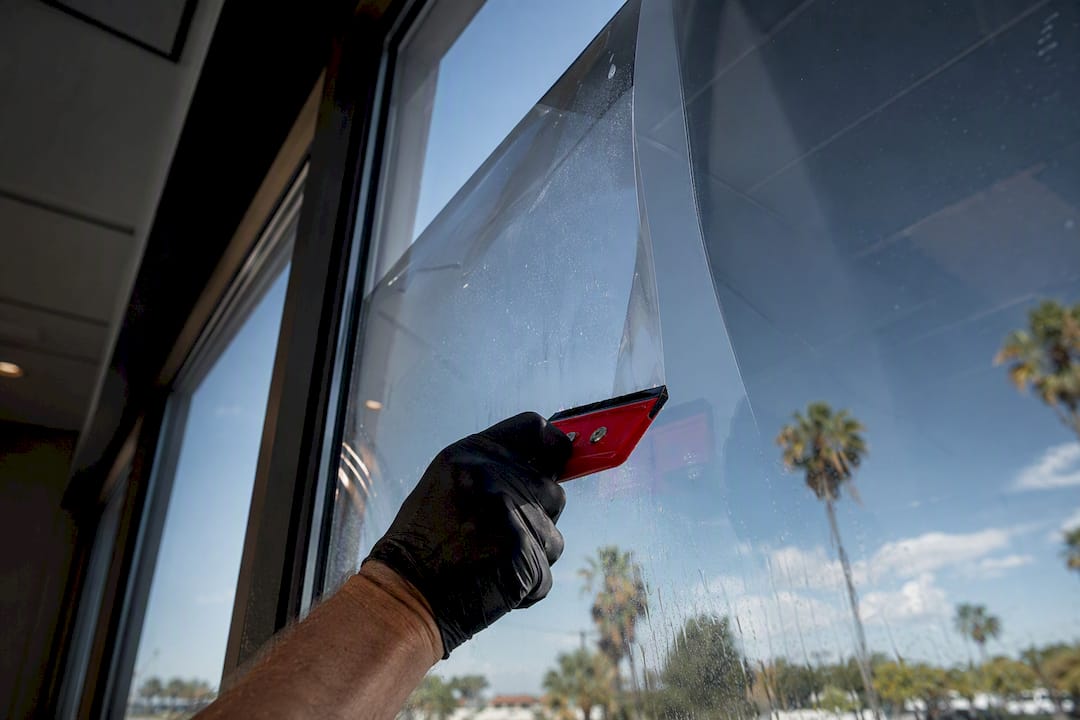
Low-E window film measurably improves how a window performs in every season, cutting cooling costs in summer and reducing heat loss in winter by lowering a window’s emissivity and Solar Heat Gain Coefficient. Homeowners with older single-pane or double-pane windows, and facility managers overseeing large glass areas, tend to see the biggest gains. Expect energy savings, UV protection, and less glare, but get a professional on-site assessment before you commit. Payback varies too much by climate and glass type to estimate from a blog post alone.
TL;DR:
- Low-E films are most beneficial for older single-pane or double-pane windows in cooling-dominated climates facing south or west exposures.
- The payback period for high-quality low-E films can be under three years, depending on climate, utility rates, and window orientation.
- Professional installation is essential to ensure proper application, avoid damage, and verify product performance specs like emissivity, SHGC, and NFRC certification.
- Low-E films should be considered only if windows are structurally sound and seals are intact, as they do not fix air leaks or replace damaged glass.
- Cost varies by project complexity, but many premium films come with lifetime warranties, and onsite assessments are crucial before making a purchase decision.
Table of Contents
- What Are the Real Benefits of Low-E Window Film?
- How Does Low-E Window Film Actually Work?
- Is Low-E Film Right for Your Windows?
- What Should You Expect During Professional Installation?
- What Does Low-E Film Cost, and When Does It Pay for Itself?
- How Do You Choose a Film and an Installer?
- Why Trust a Local Installer’s Track Record
- Film or Replacement: A Straight Answer
- Get a Free On-Site Estimate From Twtwindowfilm
- Where to Verify These Numbers Yourself
- Sources
- FAQ
What Are the Real Benefits of Low-E Window Film?
The gains show up differently depending on the season, but they’re not theoretical. In summer, low-E film rejects solar heat before it enters the room, which takes pressure off your air conditioner during the hottest parts of the day. In winter, that same low-emissivity coating reflects interior heat back into the room instead of letting it radiate out through the glass. Low-E films lower both a window’s U-value and its Solar Heat Gain Coefficient, and some professional-grade products advertise a potential payback period in less than three years in favorable conditions.
The benefits break down into a few distinct categories:
- Energy savings: Reduced cooling load in summer and better heat retention in winter, driven by lower SHGC and U-value.
- UV protection: Quality films block up to 99% of ultraviolet radiation, which is the main driver of sun-faded furniture, flooring, and artwork.
- Comfort: Less glare off screens and countertops, and fewer “hot spot” zones near south and west-facing glass.
- Consistency: Rooms with big windows stop swinging so wildly between too-hot and too-cold.
Climate matters more than most people expect. A film optimized for cooling-dominated Southern California performs differently than one built for a heating-dominated climate, and window orientation (south and west exposures see the most solar gain) changes the math on every install.
How Does Low-E Window Film Actually Work?
Everything comes down to three numbers: emissivity, U-value, and SHGC. Once you understand them, you can read any spec sheet and know what you’re actually buying.
Emissivity measures how much radiant heat a surface releases. Ordinary glass has high emissivity, meaning it readily radiates heat away, which is exactly what you don’t want in winter. A low-emissivity coating reflects that radiant heat back into the room instead of letting it escape. DOE-funded EnerLogic research documents retrofit films reaching emissivity values as low as 0.07, a level that in some cases approaches the insulating benefit of adding an extra pane of glass.
U-value measures how well a window insulates. Lower is better. A quality low-E film lowers the U-value of existing glass without touching the frame or sash.
SHGC (Solar Heat Gain Coefficient) measures how much solar heat passes through the glass. Lower SHGC means less heat gain, which is what makes low-E film so effective against summer cooling loads.
VT (Visible Transmittance) is the trade-off variable. Reject too much solar energy and you darken the room along with it. Spectrally selective films solve this by letting visible light through while filtering out infrared heat, a technology 3M uses in its Prestige Series to keep rooms bright without sacrificing heat rejection.
| Metric | What it measures | Effect of low-E film |
|---|---|---|
| Emissivity | Radiant heat release | Lowered, sometimes to 0.07 |
| U-value | Overall insulation | Reduced, meaning better insulation |
| SHGC | Solar heat passing through glass | Reduced, less summer heat gain |
| VT | Visible light passing through glass | Trade-off, minimized by spectrally selective films |
Don’t take a vendor’s word for these numbers. The NFRC certified products directory lists independently verified SHGC and VT ratings for certified films, so you can check a specific product’s claims before you sign a contract.
Is Low-E Film Right for Your Windows?
Low-E film delivers the strongest return on certain window types and building situations, and it’s a poor match for others. Knowing which category you fall into saves you from either overpaying for a marginal upgrade or underinvesting in a bigger problem.
Film tends to work best for:
- Single-pane or older double-pane windows that were never built with insulating coatings.
- Cooling-dominated climates where summer solar heat gain is the dominant energy cost.
- Buildings with large, unshaded glass areas facing south or west.
- Historic properties or leased commercial space where replacing the glass itself isn’t practical or permitted.
Film is a weaker fit when the underlying problem isn’t the glass at all. If a home has serious air leakage around the frames, film won’t fix drafts, since it only addresses radiative heat transfer through the glass, not air infiltration. Windows with failing seals or compromised insulated glass units need repair or replacement first, not a film application on top of a broken seal. And if you’re already planning a full window replacement in the near term, spending on film first rarely makes financial sense.
What Should You Expect During Professional Installation?
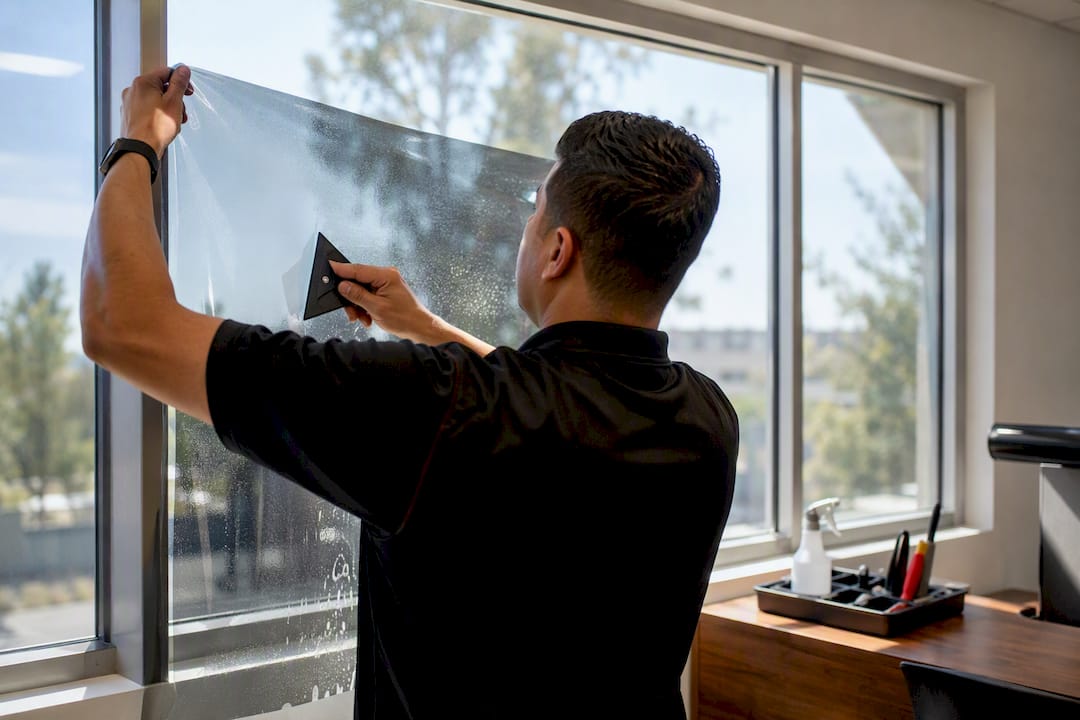
True low-E retrofit film is a professional-only product in the vast majority of U.S. installations. This isn’t marketing spin. Genuinely low-emissivity films require professional adhesives and precise application techniques to hit their rated performance, which puts them in a different category than the consumer tint kits sold for DIY use.
Here’s what a proper installation process typically involves:
- On-site glazing assessment. A trained installer checks glass type, age, and edge-seal condition before recommending a film, because absorbing solar energy raises the glass temperature and can stress compromised seals.
- Orientation and glass-type evaluation. South and west-facing windows, tinted glass, and certain insulated glass units carry different thermal-stress risk profiles, and a competent installer adjusts the film selection accordingly.
- Warranty verification. Applying film to insulated glazing units can interact with the window manufacturer’s warranty, so a good installer checks that documentation before starting work, not after.
- Precision application. Correct installation avoids bubbling, edge lifting, and uneven adhesion, all of which shorten a film’s usable life.
Pro Tip: Ask your installer to put the thermal-stress evaluation in writing before the job starts. If a company skips this step entirely, that’s a sign they’re treating a technical product like a basic tint job.
What Does Low-E Film Cost, and When Does It Pay for Itself?
Installed pricing depends heavily on film type, glass prep, and labor complexity, and it varies enough by region and project scope that a blanket per-square-foot number isn’t useful without a site visit. What is useful is understanding what actually moves the payback calculation.
Some professional-grade products, tested under favorable conditions, advertise payback periods under three years. That number assumes a specific climate, high solar exposure, and current utility rates, so treat it as a best-case benchmark rather than a universal promise.
The variables that actually determine your payback:
- Local climate and how many months you run cooling versus heating.
- Window orientation and how much direct sun the glass gets.
- Current utility rates, since higher electricity costs shorten payback everywhere.
- Existing glass type, since older single-pane windows have more room for improvement than newer double-pane units.
If your windows are already near end-of-life or have failed seals, run the comparison against full replacement before committing to film. Replacement solves more problems, but it costs substantially more upfront.
How Do You Choose a Film and an Installer?
A short checklist keeps you from getting talked into vague promises. Ask for these performance specs in writing:
- Emissivity rating
- SHGC and VT values
- Percentage of UV blocked
- NFRC certification status for the specific product
Then ask the installer these questions before signing anything:
- Will you do an on-site glazing and orientation assessment before recommending a film?
- What is your policy on thermal stress risk for my specific window type?
- What does your workmanship warranty cover, and for how long?
- Can you show examples of past installations similar to mine?
Walk away from any installer who won’t put specs in writing, skips the on-site evaluation, or claims a true low-E product is DIY-friendly. That last claim in particular is a reliable signal you’re being sold a consumer tint film, not a genuine low-emissivity retrofit product.
Why Trust a Local Installer’s Track Record
A local window film company has installed window film across Orange County and Los Angeles County since 2008, working with homeowners, business owners, and facility managers on jobs ranging from single-family homes to schools and government buildings. Many installations come with a lifetime warranty, and premium film from brands like 3M and LLumar is commonly used instead of generic consumer-grade material. Clients often report better comfort, lower energy costs, and noticeably less UV fading after installation, the exact outcomes this article has walked through.
Film or Replacement: A Straight Answer
Choose film when your windows are structurally sound and full replacement is too costly or disruptive to justify right now. If frames or seals have already failed, fix or replace first. Either way, start with a professional on-site assessment.
— Jake
Get a Free On-Site Estimate From Twtwindowfilm
If you’ve read this far, you already know the variables that determine whether low-E film makes sense for your windows: glass condition, orientation, climate, and how your current windows are performing. Professional installers handle that assessment directly, on-site, before recommending anything, and many installations are backed by a lifetime warranty using premium film from established brands rather than generic consumer material.

A typical estimate visit includes a walkthrough of your glass and frame condition, a discussion of which film specs (SHGC, VT, emissivity) fit your exposure and goals, a project timeline, and a full rundown of warranty terms before you commit to anything. Homeowners can start with the residential window film services page, while facility managers and business owners overseeing larger properties can review commercial solar and privacy film options. To get the ball rolling, request a free on-site estimate and have your window count, general orientation, and any known seal issues ready to discuss.
Where to Verify These Numbers Yourself
For further reading beyond this article, the NFRC consumer guide on window film covers ratings and cautions in more depth, the EnerLogic DOE report details the emissivity research cited above, and homeowners weighing film against other retrofits may find this comparison of energy-efficiency upgrades for older homes useful for context.
Sources
- 3M™ Sun Control Window Films — energy savings and low-E performance
- EnerLogic® low-emissivity retrofit window film — DOE/OSTI report
- NFRC consumer guide — window film overview and cautions
FAQ
Is Low-E Film Worth It?
For homes with older single-pane or double-pane windows in cooling-dominated climates, yes. It lowers SHGC and U-value, which translates into real energy savings, and some professional products claim payback under three years in favorable conditions. It’s a weaker investment if your windows already have seal or frame failures.
Does Low-E Coating Wear Off?
Quality professional-grade film is designed for long-term durability when installed correctly, and issues typically trace back to poor installation rather than the coating itself degrading on its own. A lifetime warranty can protect against exactly this risk.
Can You Put Low-E Coating on Existing Windows?
Yes, that’s the entire point of retrofit low-E film: it adds low-emissivity performance to glass you already have without replacing the window. An installer still needs to check glazing condition and seal integrity first, since film can raise glass temperature and stress compromised seals.
What Is the Difference Between Low-E Film and Tint?
Standard tint primarily reduces glare and visible light with minimal effect on emissivity or insulation. True low-E film specifically targets emissivity, SHGC, and U-value to improve year-round thermal performance, which is why it’s typically a professional-only product rather than a DIY tint kit.