

8 mil and Anchors: 5 Questions for Glass Door Security Film
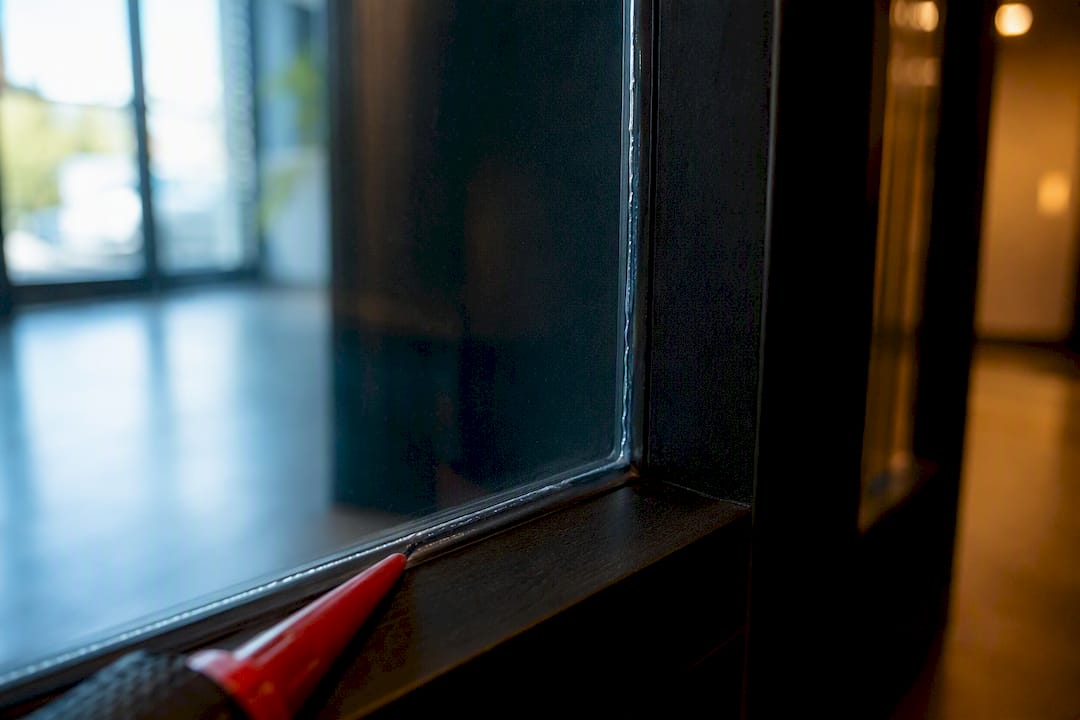
Security film on a glass door will hold broken glass together and can delay forced entry, but it is not bulletproof. Its real benefit depends on film construction, anchoring, and frame condition. Buy it expecting fewer shattered shards and a slower break-in, not an impenetrable barrier, and you will not be disappointed.
TL;DR:
- Thicker films, such as 8 to 14 mil, offer longer delay times and higher tear resistance but increase costs and may affect visibility.
- Proper anchoring using sealant or wet-glaze methods is essential; without it, even thick films do not deliver their rated security performance.
- Security film primarily delays intruders and protects against smash and grab, storm debris, and vandalism, but is not effective against pry bars or firearms.
- Installing security film correctly requires frame inspection, surface prep, and anchoring, which DIY kits typically lack, reducing effectiveness.
- Insurance and liability benefits depend on specific policies; verify coverage and documentation before assuming film provides financial or legal protection.
Table of Contents
- What is glass door security film and how does it work?
- What mil thickness should you choose for a sliding glass door?
- How effective is security film at stopping a break-in?
- What does security film for a glass door cost, and how long does installation take?
- How is security film installed, and should you DIY it?
- How do you pick the right security film for your door?
- Does security film affect your insurance or homeowner’s policy?
- What do installers actually check on-site before recommending a film?
- Ready for a professional security film installation?
- Where to check the technical specs yourself
- Sources
What is glass door security film and how does it work?
Security film for glass doors is a thick polymer sheet bonded to the glass with a pressure-sensitive adhesive. Once applied, the adhesive layer holds shattered pieces together instead of letting them scatter across your floor or entryway. That is the entire mechanical trick: the glass still breaks, but the film keeps the pieces acting as one flexible sheet rather than a hundred loose knives.
Two base materials dominate the market. Polyester (PET) is stiffer and more affordable. Polyurethane, used in products like 3M’s Scotchshield S2400, stretches farther before tearing, which matters when someone is actively trying to punch through a door.
- Thickness and laminate construction determine how much energy the film absorbs before it fails.
- Frame condition matters as much as film quality. A strong film bonded to a rotting or loose door frame still gives way at the edges.
- Edge adhesion, not just film strength, decides whether the sheet stays anchored under repeated impact.
What mil thickness should you choose for a sliding glass door?
“Mil” measures film thickness in thousandths of an inch. It is the number installers throw around most, and it is the one homeowners misunderstand most often.
Residential and light-commercial jobs commonly use 4 to 8 mil film for basic safety and glare control, while true security applications typically start at 7 or 8 mil and climb to 14 mil or higher for higher-risk environments. Madico’s clear security film line offers 7, 8, and 14 mil options, and the company has documented 14 mil applications in school district projects where anti-intrusion performance mattered more than cost.
- Thicker film generally means longer delay time and better tear resistance under repeated blows.
- Thicker film also costs more per square foot and can slightly affect optical clarity on patio doors where visibility matters.
- Exterior-applied films face more UV exposure and weather cycling than interior-applied films, which changes how they age.
- Polyurethane tends to outperform PET over time in flexibility, while PET remains the more common choice for straightforward glazing protection.
For a sliding glass door security film project specifically, most installers lean toward 8 mil as a practical middle ground unless the property has a documented break-in history or sits in a high-vandalism area.
How effective is security film at stopping a break-in?
Manufacturer language is consistent and worth reading closely: security film helps hold glass together and can delay intruders, but it is explicitly not marketed as bulletproof or injury-proof. 3M states plainly that its safety and security films do not prevent property damage, personal injury, or death, and that suitability depends on the glass, the frame, and how the film is installed.
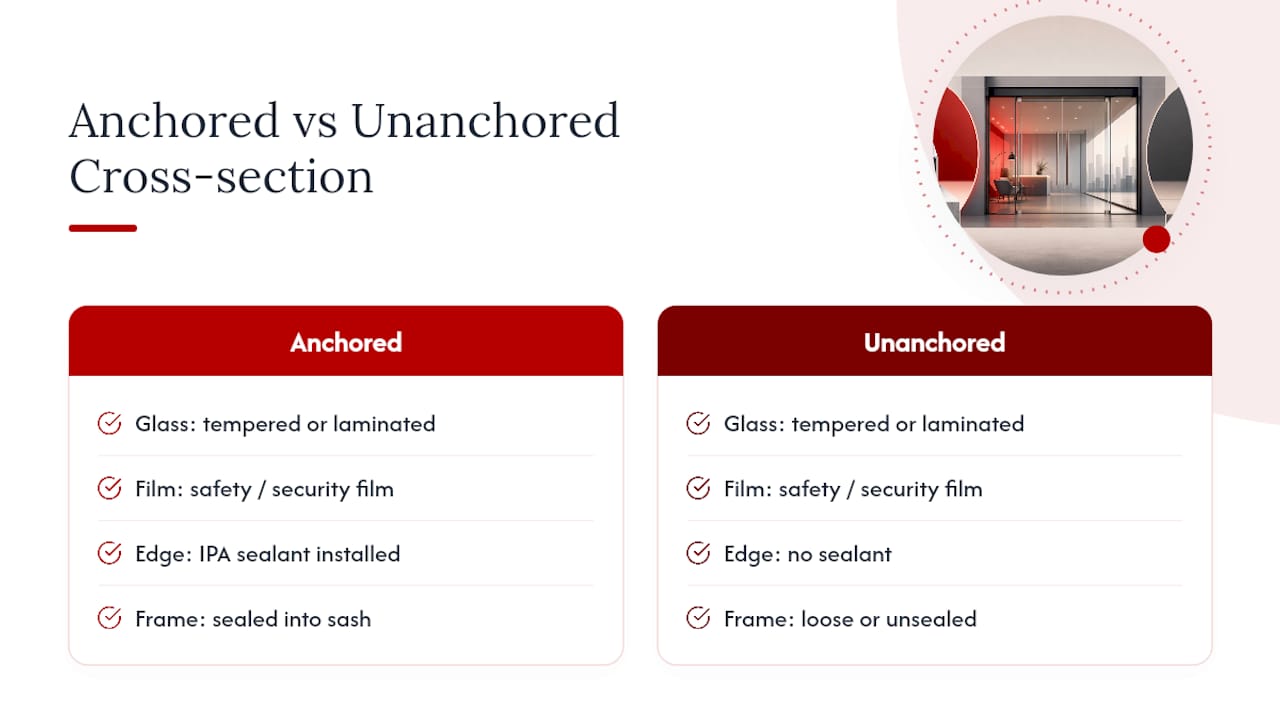
The real number that matters here isn’t a percentage. It’s a sealant. Films rated for break-and-entry resistance are tested and labeled for that performance only when installed with a specific anchoring method, most commonly the 3M Impact Protection Attachment (IPA) sealant. Skip the anchoring step, and you are essentially running the film unrated.
Performance also hinges on what kind of glass interior door you have. Tempered glass shatters into small, blunt pieces, while laminated glass behaves differently under impact. Frame quality, the tools an intruder brings, and how well the film’s edges are sealed into the sash all shift the outcome. Security film shines against smash-and-grab attempts, storm debris, and vandalism, where the goal is opportunistic and fast. It does far less against someone with a pry bar, power tools, or a firearm and unlimited time.
What does security film for a glass door cost, and how long does installation take?
Pricing swings on a handful of variables, and any number you see online should be read as a rough estimate rather than a quote.
- Film mil rating: thicker security films cost more per square foot than standard safety films.
- Door square footage and glass configuration, including french doors versus a single sliding panel.
- Anchoring requirements: IPA sealant or wet-glaze systems add labor and material cost.
- Labor complexity: multi-pane doors and oddly shaped glass take longer than a single flat sheet.
A single-door installation typically wraps up in a few hours once the crew is on site, though anchoring work can extend that. Warranty coverage comes in two flavors: the manufacturer’s warranty on the film itself, and the installer’s workmanship warranty covering the application. Working with an authorized dealer usually protects both, since manufacturers can void film warranties when installation isn’t done by a certified installer.
How is security film installed, and should you DIY it?
Anchoring is the step that separates a real security installation from a cosmetic upgrade. Manufacturers often specify an Impact Protection Attachment or a wet-glaze anchoring method that locks the film’s edge into the frame rather than just the glass surface. Without it, even a 14 mil film can pull free from the sash under enough force, because the failure point shifts from the glass to the edge.
- The installer inspects frame integrity, since a soft or damaged sash won’t hold an anchor properly.
- Glass surface gets cleaned and prepped, removing anything that would break the adhesive bond.
- Film is cut, applied, and squeegeed to remove air and moisture.
- Anchoring sealant or wet-glaze compound is applied at the edges per the manufacturer’s technical data sheet.
- Edges cure, and the installer checks for bubbles or lifting before calling the job done.
Consumer kits, including 8 mil rolls sold for DIY application and pre-cut sliding door kits, are real products and genuinely useful for basic glare or light safety upgrades. They typically skip the anchoring step entirely and carry none of the manufacturer performance backing that comes with a professionally installed system.
Pro Tip: Check the edges two weeks after installation, not just on day one. Peeling corners, trapped bubbles, or a visible gap between film and frame usually show up within the first few weeks, and they’re far cheaper to fix early than after a full season of sun exposure.
How do you pick the right security film for your door?
Start with your actual threat model, not the highest mil number on the shelf. A retail storefront facing regular vandalism has different needs than a homeowner worried about a rare smash-and-grab on a patio door, and a storefront security film setup often calls for thicker film and more aggressive anchoring than a residential slider ever needs.
- Ask what mil options the installer stocks and why they’d recommend one over another for your specific door.
- Ask what anchoring method they use and whether it matches the manufacturer’s technical data sheet for that product.
- Ask to see test data or the actual TDS, not just a sales brochure.
- Ask about warranty terms and whether they’re an authorized dealer for the brand they’re installing.
- Ask for references from similar past jobs, whether residential patio doors or commercial glass.
Treat any installer who dodges questions about anchoring or warranty coverage as a red flag. Vague claims like “military grade” or “unbreakable” with no data behind them are another. For higher-risk properties, film pairs well with laminated glass, alarm sensors, or physical barriers rather than replacing them outright.
Pro Tip: If a quote doesn’t mention anchoring at all, ask directly. A film that isn’t anchored per its data sheet is not performing at its rated level, no matter how thick it is.
Does security film affect your insurance or homeowner’s policy?
Security film sits in a gray zone for most insurance policies, and the details vary enough by insurer and jurisdiction that you should never assume a discount or a coverage change without checking your specific policy. Some insurers offer modest premium credits for documented security upgrades, including window and door film, while others don’t factor it in at all. The only reliable way to know is to call your carrier and ask what documentation they’d need, such as an installer invoice or product spec sheet.
Legally, security film generally does not require a permit for a straightforward glass door retrofit in most residential settings, but that can change for commercial buildings, historic properties, or municipalities with specific glazing codes. If your property falls under a homeowners association or a commercial building code, confirm whether film changes anything about your existing glazing compliance before scheduling work.
There’s also a liability angle worth understanding. Because manufacturers are explicit that films are not bulletproof and don’t guarantee against injury, marketing a property as “secured” purely on the basis of film installation can create a mismatch between what a tenant, guest, or buyer assumes and what the product actually delivers. If you manage rental units or a commercial space, disclose what the film does and doesn’t do rather than letting people assume more protection than the product provides. Keep your installer’s paperwork and the manufacturer’s technical data sheet on file. If a claim or dispute ever comes up, having documentation of exactly what was installed, and to what specification, matters more than the film itself.
What do installers actually check on-site before recommending a film?
Every job starts with the boring stuff that determines everything else. Frame integrity gets checked first, because a soft or water-damaged sash won’t hold an anchor no matter how good the film is. Glass type matters just as much. Tempered glass behaves differently under impact than annealed glass, and that changes which film and anchoring approach makes sense.
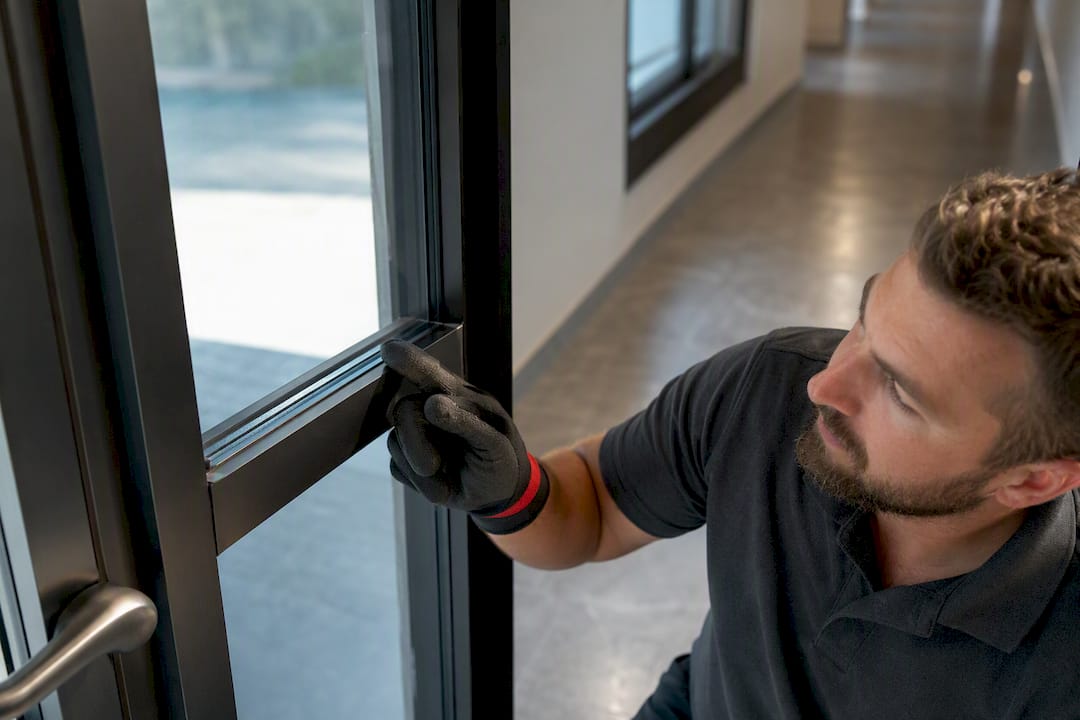
Edge clearance for a wet-glaze anchor is another common surprise. Some doors have weatherstripping or trim that interferes with a clean edge seal, and that has to get addressed before the film goes on, not after. Sun exposure and orientation affect long-term durability too, particularly for west-facing patio doors that take a beating from UV all afternoon.
Working with brands like 3M and LLumar, and backing every installation with a lifetime warranty, means these checks aren’t optional extras. They’re the difference between a film that performs for years and one that starts lifting at the edges within a season.
— Jake
Ready for a professional security film installation?
If you’ve made it this far, you already know the gap between a DIY kit and a properly anchored, manufacturer-backed system. Professional window film installers close that gap with premium 3M and LLumar security film, installed with the correct anchoring method for your specific door, and sometimes backed by warranty on the workmanship. A typical quote starts with a free on-site measurement, a walkthrough of film mil options suited to your door and exposure, and a clear anchoring recommendation based on your frame condition, not a generic package.
Whether you’re protecting a residential sliding glass door in Orange County or a storefront entry in Los Angeles County, the process starts the same way: get a real assessment before you commit to a mil rating or a price. Request your free on-site estimate and find out exactly what your door needs before you spend a dollar on film.
Where to check the technical specs yourself
For readers who want the raw specifications before scheduling an installer, 3M’s home window safety and security page and Madico’s asset protection line both publish technical data sheets covering mil options, light transmittance, and anchoring requirements. Always confirm suitability with an authorized dealer for your specific door and climate before buying.
Sources
- Clear Safety & Security for Asset Protection | Madico, Inc.
- 3M™ Scotchshield™ Security Window Film S2400, 60 in x 45 ft, 1 Roll/Case | 3M United States