

2–4 Weeks From Quote to Finish: Decorative Window Film for Homeowners
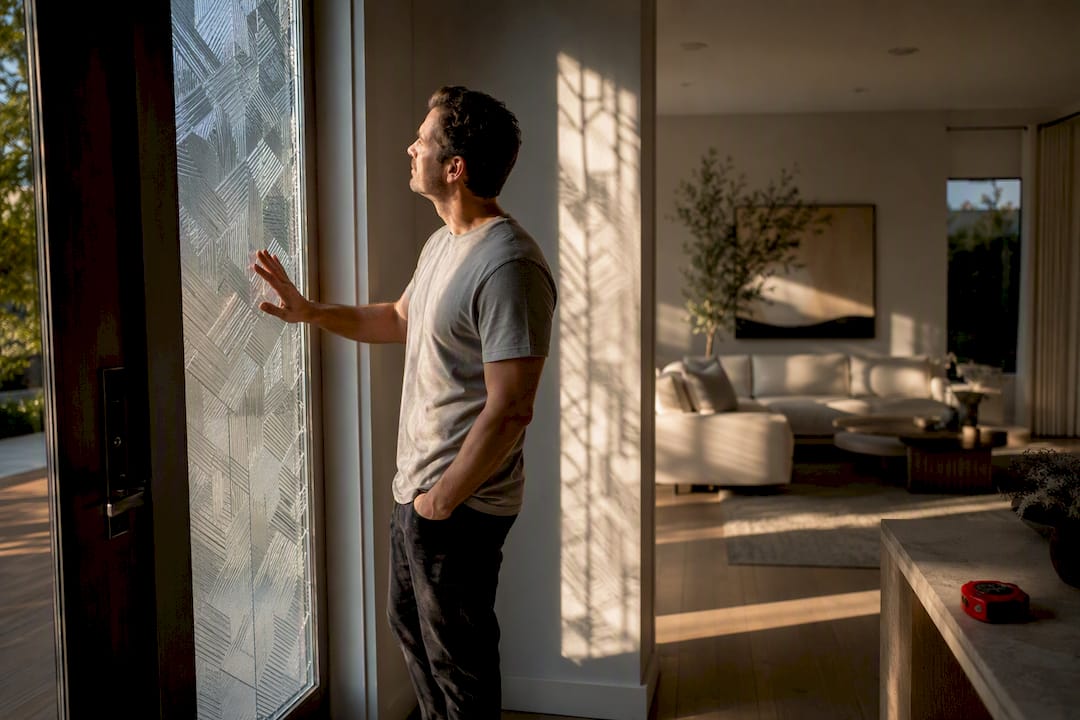
For most homeowners who want privacy without losing daylight, frosted or etched-style decorative window film is the practical choice, applied as static-cling for a rental or short-term fix and adhesive-mounted by a professional for anything permanent. It buys you privacy, keeps rooms bright, and looks better than a curtain glued shut. Budget and glass size decide the rest. The checklist below walks through exactly how to choose.
TL;DR:
- Frosted and etched films are ideal for bathrooms and home offices, scattering light evenly while maintaining brightness and privacy.
- Decorative films like gradient, patterned, and colored options work well for storefronts, entryways, and interior partitions, offering specific privacy and aesthetic effects.
- Most quality decorative films last several years indoors, with UV protection and some impact resistance, but proper cleaning and professional removal can extend their lifespan.
- DIY static-cling films are suitable for small or temporary applications but tend to lift or peel over time, whereas professional adhesive installation offers better durability and warranty coverage.
- Layering decorative film with solar control films can improve energy efficiency and light management, especially for large or permanent windows.
Table of Contents
- What Are the Main Types of Decorative Window Film?
- Does Decorative Film Actually Improve Privacy and Light Control?
- Static-Cling vs. Professional Adhesive: Which Installation Fits?
- How Do You Pick the Right Decorative Film for Your Space?
- How Long Does Decorative Film Last, and How Hard Is It to Remove?
- Why Professional Installation and Brand Backing Matter
- Polyester Film and What 3M FASARA and Avery Auravate Actually Offer
- Ordering Samples and Getting the Sizing Right
- DIY Film vs. Professional Installation: What You’re Actually Paying For
- Step-by-Step: Installing Decorative Film Yourself
- How Long Does the Whole Process Take, From Order to Finished Window?
- A Designer’s Take: Balancing Looks and Function
- How Twtwindowfilm Makes Decorative Film Installation Easy
- Sources
- FAQ
What Are the Main Types of Decorative Window Film?
Decorative window film falls into a handful of style families, and each one changes how much light gets through and how much the room feels closed off.
Frosted and etched glass film mimics sandblasted or acid-etched glass. It scatters light evenly and blocks a direct view while still glowing bright during the day. This is the default pick for bathrooms, shower enclosures, and home offices with street-facing windows.
Stained-glass and colored film adds color and pattern without the cost of actual leaded glass. It suits entryways, sidelights, and transom windows where you want a decorative focal point rather than pure privacy.
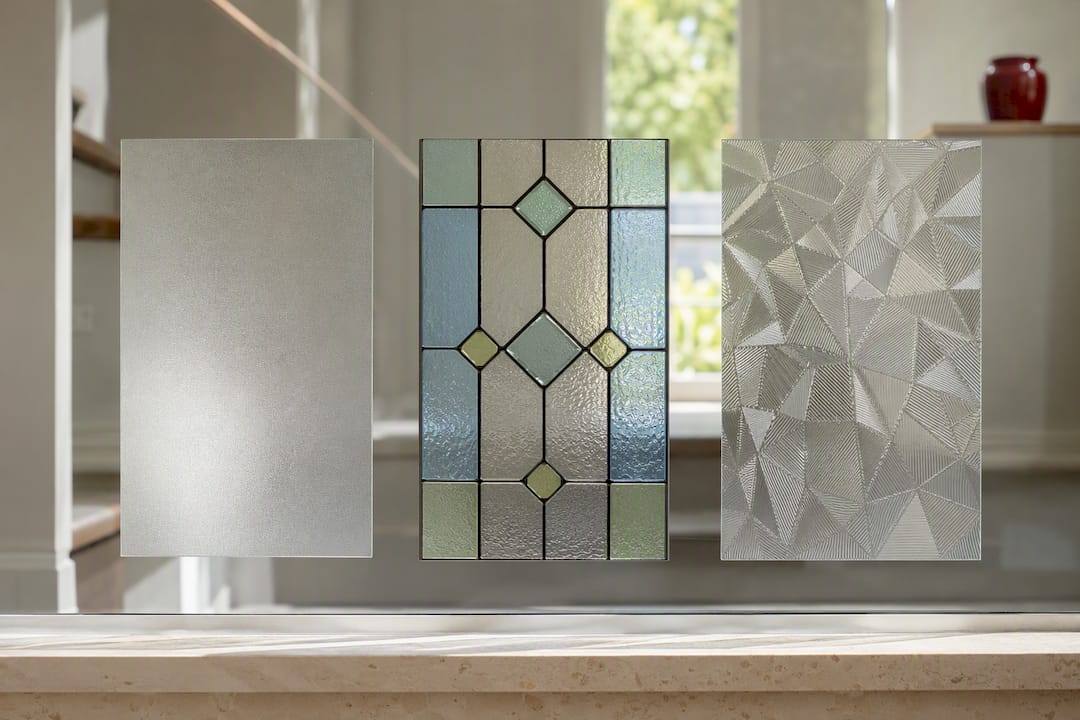
Patterned decorative film covers everything from geometric grids to botanical motifs. 3M’s FASARA line and Avery Dennison’s Auravate line both build their catalogs around this category, offering textured, glass-like finishes that read as etched or carved glass from a few feet away.
Privacy gradient film frosts only the bottom half or a horizontal band, so a room keeps its view up top while blocking sightlines at eye level. It works well on storefront windows and ground-floor living rooms.
Textured and reeded film replicates fluted or ribbed glass, popular right now for interior partitions and conference room walls where a soft architectural line matters more than full privacy.
- Bathrooms and showers: frosted or etched styles
- Storefronts and retail glass: gradient or patterned film, often paired with anti-graffiti protection
- Conference rooms and office partitions: reeded or frosted graphics
- Entryways and sidelights: stained-glass or colored patterns
Does Decorative Film Actually Improve Privacy and Light Control?
Decorative film earns its keep on four fronts: privacy, light diffusion, UV protection, and glare reduction. It does not replace a dedicated solar film when heat rejection is the goal, and it is not a security film when impact resistance is the goal, though some products borrow a little of both.
Privacy is the obvious win. A frosted or patterned finish blocks a clear line of sight while letting daylight scatter through the glass, so a bathroom or ground-floor window stops feeling like a fishbowl without going dark. Glare drops too, since the textured surface diffuses direct sun instead of passing it straight through.
3M FASARA films are built on durable polyester and can cut UV transmission substantially, with some product lines also offering shatter-holding properties that keep broken glass fragments from scattering.
That shatter-holding trait matters for schools, storefronts, and government buildings, where a film that holds cracked glass in place adds a real safety margin. But decorative film’s heat-blocking ability is limited compared to a dedicated solar film, and installer-backed warranties on commercial-grade decorative installations typically apply to the film’s clarity and adhesion, not to energy performance.
- Privacy without blackout darkness
- UV exposure reduced (varies by product)
- Softer glare on sunny days
- Some shatter-holding on impact, not full security-film protection
- Minimal heat rejection compared to solar films
Static-Cling vs. Professional Adhesive: Which Installation Fits?
Decorative film comes in two installation formats, and picking the wrong one for your situation is the single biggest source of buyer regret.
Static-cling and peel-and-stick films use water or light pressure to hold the film against glass with no permanent adhesive. Renters like these because they come off clean, and retailers built entire catalogs around this DIY-friendly format for small windows and short-term needs.
Pressure-sensitive adhesive films bond permanently to the glass. These are the professional-grade option, and they hold up longer, resist peeling at the edges, and typically qualify for a manufacturer or installer warranty that peel-and-stick products don’t carry.
- Measure the glass precisely, accounting for any curves or hardware.
- Clean the window thoroughly. Any dust or residue shows up as a bubble later.
- Wet the glass with a soapy water solution (for adhesive film) to allow repositioning.
- Apply the film and squeegee from the center outward to push out air and water.
- Trim excess edges with a sharp blade and let the film cure fully before touching it.
The most common DIY mistakes are trapped air bubbles, crooked alignment on large panes, and installing in direct sunlight, which causes the adhesive to set too fast. Large glazing, laminated safety glass, or any job you want warranty coverage on is worth handing to a professional installer instead of risking a $40 roll of film on a $2,000 window.
Pro Tip: If you’re on the fence, order a sample first. A six-inch swatch taped to the glass for a day tells you more about privacy and glare than any product photo will.
How Do You Pick the Right Decorative Film for Your Space?
Start with how much privacy you actually need, not how much you think you want. A frosted bathroom window usually needs full opacity. A kitchen sidelight might only need a gradient band. Match the film to the job, not the trend.
Run through these questions before you order anything:
- What privacy level do I need: full opacity, partial, or just glare reduction?
- Is this a permanent installation or a rental fix I’ll remove later?
- What’s my budget per square foot, and does it include installation?
- How much natural light can I afford to lose?
- How large or oddly shaped are the windows?
- How much upkeep am I willing to do long term?
When you’re talking to a supplier or installer, ask for a physical sample, not just a photo. Ask what the warranty actually covers (the film, the adhesive, or both), and ask what removal looks like years down the road. If your goal includes both design and energy savings, ask about combining a decorative pattern with a dedicated solar control film, since the two serve different jobs and can be layered by request in some cases.
Floor-to-ceiling commercial glazing is where professional-grade materials really pay off. Manufacturers publish visible light transmittance and shading coefficient figures for many decorative lines, and an experienced installer can use those numbers to hit a specific privacy-to-daylight balance rather than guessing from a swatch, according to product data published by Architonic.
How Long Does Decorative Film Last, and How Hard Is It to Remove?
Most quality decorative films last several years under normal indoor conditions, though direct sun exposure, humidity, and cheap adhesive can shorten that window. Clean with a soft cloth and mild soap. Skip ammonia-based glass cleaners and abrasive scrubbers, both of which can dull the texture or lift the edges over time.
Removal gets harder the longer the film has been up. At that point, a professional removal avoids scratching the glass or leaving residue behind, and it’s a smarter move than fighting a razor blade for an afternoon.
- Expect several years of service life from quality film
- Clean with mild soap, never ammonia-based cleaners
- Older adhesive installs may need heat and solvent for removal
- DIY static-cling peels off easily; long-term adhesive film usually doesn’t
Why Professional Installation and Brand Backing Matter
A decorative film is only as good as its installation. Bubbles, misaligned seams, and lifted edges are the visible signs of a rushed DIY job on anything larger than a single small pane, and they’re exactly what a lifetime warranty is designed to prevent.
Professional-grade decorative films from established brands are built for durability and precision. Choosing a certified installer backed by a manufacturer partnership means the material, the adhesive, and the labor are all covered if something fails down the line.
Twtwindowfilm’s residential decorative film service pairs 3M and LLumar materials with a lifetime warranty on installation, and the same crew handles commercial decorative projects for storefronts, offices, and data centers. That range matters because a bathroom window and a 20-foot storefront pane demand very different handling, even when the film itself looks similar on a sample card.
Polyester Film and What 3M FASARA and Avery Auravate Actually Offer
Nearly every decorative window film on the market, regardless of brand, is built on a polyester base. Polyester takes ink, texture, and adhesive coatings well, resists yellowing better than cheaper plastics, and stays flexible enough to conform to glass without cracking. That base layer is why decorative film can replicate the look of etched, sandblasted, or leaded glass at a fraction of the cost of replacing the glazing itself, a point manufacturers like Reflectiv make when positioning film as a retrofit design tool rather than a stopgap.
3M FASARA is one of the most recognized decorative lines on the market, offering textured glass finishes across dozens of patterns, from subtle linen textures to bold geometric prints. FASARA films are marketed as quick to install relative to glass replacement, and select products in the line add shatter-holding characteristics on top of the visual effect.
Avery Dennison’s Auravate line targets a similar market: architectural-grade decorative finishes designed for both retrofit glass and new construction, with a catalog built around texture and pattern variety rather than a single look.
LLumar rounds out the major brand names in decorative film, with a catalog that spans frosted, patterned, and colored options alongside its security and solar product lines, giving installers one source for combining decorative and functional films on the same project.
None of these brands compete directly on price. They compete on consistency: color match across rolls, adhesive quality, and how the finish holds up after a few years of cleaning and sun exposure.
Ordering Samples and Getting the Sizing Right
Never order a full roll of decorative film based on a website thumbnail. Every major supplier and most professional installers offer sample swatches, usually a few inches square, so you can see how a pattern reads in your actual light before committing to a full window or an entire storefront run.
Sizing decorative film comes down to two numbers: the glass dimensions and the roll width you’re buying against. Residential decorative film commonly ships in rolls around 36 to 60 inches wide, and any window wider than the roll needs a seamed installation, which is where DIY jobs tend to show visible lines if the seams aren’t planned carefully. Retailers with large decorative catalogs typically list roll widths and let you calculate square footage before ordering, but a professional installer will measure on-site and account for trim waste, something a DIY order from a web photo rarely gets right on the first try.
For an odd-shaped window, a transom, an arched pane, a glass door insert, custom-cut samples matter more than a swatch card. Ask whether the supplier or installer can cut a template first. A five-minute measurement mistake on an arched window can waste an entire roll of film that isn’t cheap to replace.
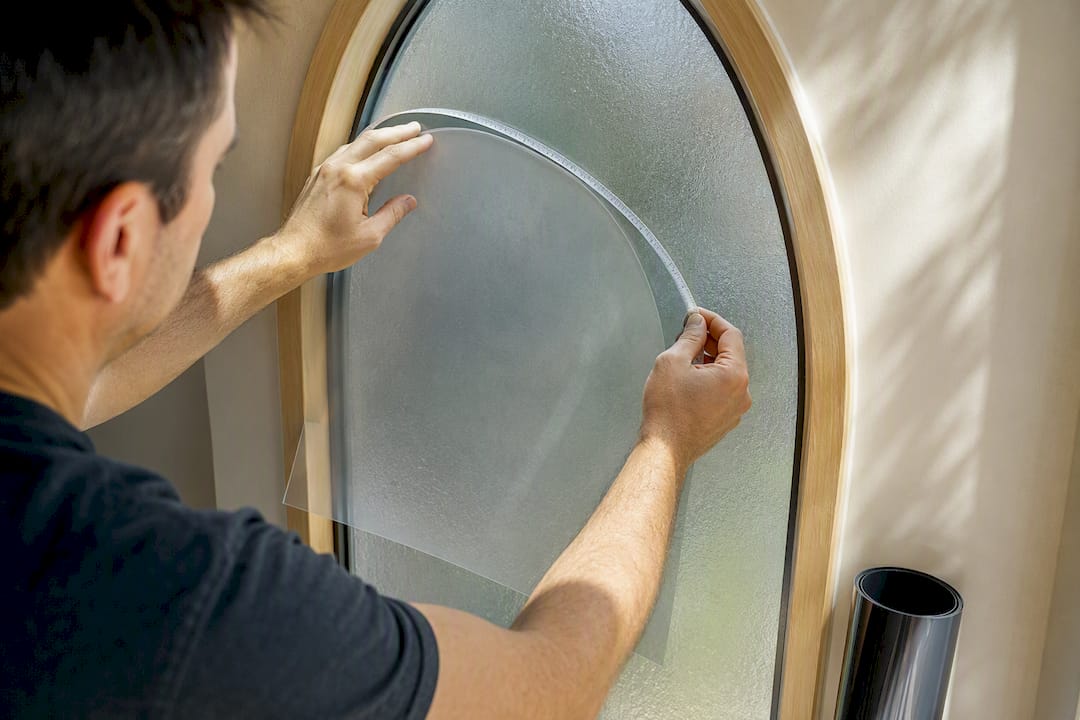
Commercial buyers ordering for multiple storefronts or office floors should ask about bulk roll pricing and lead times separately from residential single-window orders, since large jobs are typically quoted, not shelf-priced.
DIY Film vs. Professional Installation: What You’re Actually Paying For
The sticker price on a roll of peel-and-stick decorative film looks appealing next to a professional installation quote, but the comparison isn’t apples to apples once you factor in what each route actually delivers.
DIY static-cling film is cheap and forgiving of mistakes since it can be repositioned or replaced without much loss. It’s the right call for a rental, a temporary staging need, or a single small bathroom window where a slightly imperfect seam won’t bother anyone. The tradeoff is durability. Static-cling films are more prone to lifting at the edges over time and generally don’t carry a workmanship warranty.
Professional adhesive installation costs more upfront because you’re paying for the material, the labor, and the warranty together. What that buys you is a seamless finish on large or multiple windows, correct handling of laminated or tempered glass, and recourse if the film bubbles or discolors early. For a storefront, an office suite, or any window where a mistake means redoing the whole pane, the labor cost is what prevents a $200 mistake from becoming a $2,000 one.
The honest breakeven point is glass size and permanence. Small, low-stakes windows favor DIY. Anything large, visible from the street, or meant to last years favors a professional install with warranty backing, which is why Twtwindowfilm quotes residential and commercial jobs separately rather than pricing them like a retail product.
Step-by-Step: Installing Decorative Film Yourself
DIY decorative film installation is genuinely doable on a single small window, provided you have the right tools and patience for a slow, careful process.
Tools you’ll need: a spray bottle with mild soap and water solution, a squeegee (a felt-edged one is gentler on film), a sharp utility knife, a measuring tape, and a lint-free cloth.
- Clean the glass completely, removing dust, grease, and old adhesive residue. Any leftover grit will telegraph through as a bump.
- Measure the window and cut the film about an inch larger on each side than the glass.
- Spray the glass generously with the soap and water solution. This lets you slide and reposition adhesive film before it sets.
- Peel the backing and apply the film to the wet glass, starting from one edge.
- Squeegee from the center outward in overlapping strokes, pushing out water and air bubbles as you go.
- Trim the excess film flush with the glass edge using a sharp blade held at a low angle.
- Let the film cure for the time the manufacturer recommends, typically a few days, before cleaning it again.
The parts that trip people up are consistent: rushing the squeegee step leaves trapped bubbles that are nearly impossible to fix after the film sets, and cutting the trim too aggressively can nick the glass or leave a jagged edge. Static-cling film is more forgiving here since it can be lifted and redone, but adhesive film generally gives you one real shot per sheet.
How Long Does the Whole Process Take, From Order to Finished Window?
Timeline expectations differ sharply between a DIY project and a professional job, and knowing the real numbers ahead of time prevents a lot of frustration.
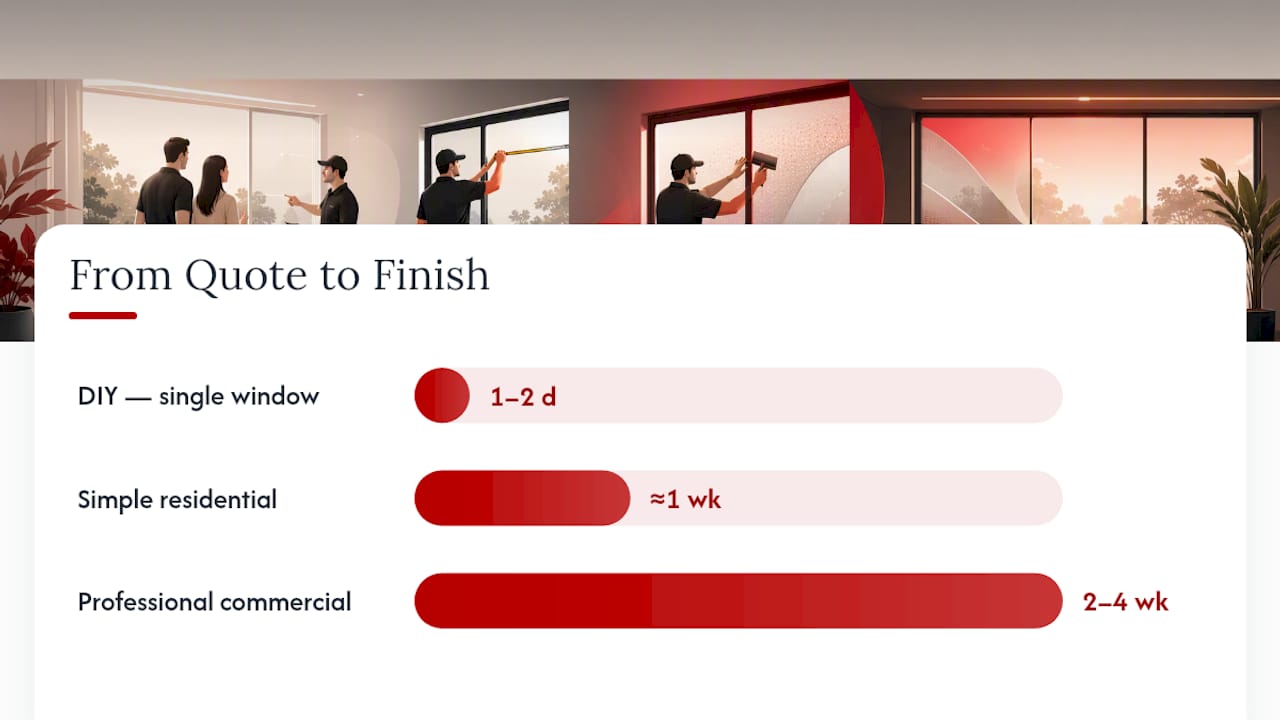
A DIY static-cling or peel-and-stick job on a single window can be ordered and finished within a day or two, since the film often ships quickly and installation itself takes an hour or less per pane once you’ve done one. Ordering a sample first adds a few days but saves you from an installation you’ll want to redo.
Professional installation runs on a different clock. After an initial consultation or free on-site estimate, material lead times for specialty patterns or large custom orders can take one to a few weeks depending on the brand and design. The installation day itself is usually fast, often completed within a single visit for a home, with larger commercial jobs like storefronts or office floors scheduled over one or more days depending on square footage.
The biggest variable is customization. A stock frosted pattern in a standard size moves quickly. A custom logo etching for a storefront or a large architectural pattern for a commercial building takes longer to produce and typically needs a template measurement visit before the order goes in. Budgeting two to four weeks from initial quote to finished commercial installation is a reasonable expectation, while a simple residential bathroom window can often be done inside a week.
A Designer’s Take: Balancing Looks and Function
Most people pick decorative film for the aesthetic first, then discover the privacy benefit as a bonus, or the reverse. Both instincts are fine, but they lead to different choices. A stained-glass pattern in an entryway is a design decision. A frosted shower window is a function decision wearing a design coat. Know which one you’re solving for before you order samples, and when the window is large, visible, or permanent, a professional install is worth the extra cost.
— Jake
How Twtwindowfilm Makes Decorative Film Installation Easy
Twtwindowfilm gives homeowners and business owners a direct route to professional-grade decorative film without the trial and error of a DIY roll and a squeegee. Every installation pairs 3M and LLumar materials with a lifetime warranty, a certified crew, and free on-site estimates, so you get a written quote before anything touches your glass.

What that looks like in practice: a same-visit assessment of your windows, real samples to hold up against your actual light, and installers who handle everything from a single bathroom pane to a full storefront retrofit. Homeowners can start with the residential decorative film page to see styles and request an estimate, while business owners managing offices, storefronts, or larger glazing can review commercial decorative options built for higher-traffic spaces. If your project also needs privacy graphics or branding on glass, the window and wall graphics page covers that separately. Request a free on-site estimate to get a real quote for your windows before you decide between DIY and professional installation.
Sources
- 3M™ FASARA™ Glass Finishes (product page)
- LLumar
- 3M™ FASARA™ GLASS FINISH PRISM/DOT — Architonic product data
FAQ
What Can You Put on Windows to See Out but Not In?
A gradient or frosted decorative film applied to the lower portion of a window blocks sightlines from outside while letting you see out over the frosted band. Full frosted or etched film across the whole pane works too, though it reduces the outward view more than a gradient pattern does.
Is Decorative Window Film a Good Investment?
For privacy, glare reduction, and adding design value to plain glass, decorative film is a practical and relatively low-cost upgrade compared to replacing glazing entirely. Professional installations from Twtwindowfilm come with a lifetime warranty, which adds long-term value that a DIY roll doesn’t carry.
Can You See Through Decorative Window Film at Night?
Yes, to some degree. Interior lighting at night can make a room more visible through frosted or lightly patterned film than during the day, since the light source is now behind the film from an outside viewer’s perspective. Denser patterns and fully opaque frosted finishes reduce this effect more than light etched designs.
Does Decorative Window Film Reduce Heat?
Decorative film offers limited heat rejection compared to a dedicated solar control film, since its main job is privacy and light diffusion rather than blocking solar energy. Homeowners who want both design and real energy savings should ask about pairing decorative film with a solar control film on the same glass.
How Much Does Professional Decorative Film Installation Cost?
Pricing depends on window size, film pattern, and whether the job is residential or commercial, so current pricing is available directly through Twtwindowfilm’s free on-site estimate rather than a flat listed rate.