

Ask for 4 Specs: Daytime Privacy Window Film for Homeowners
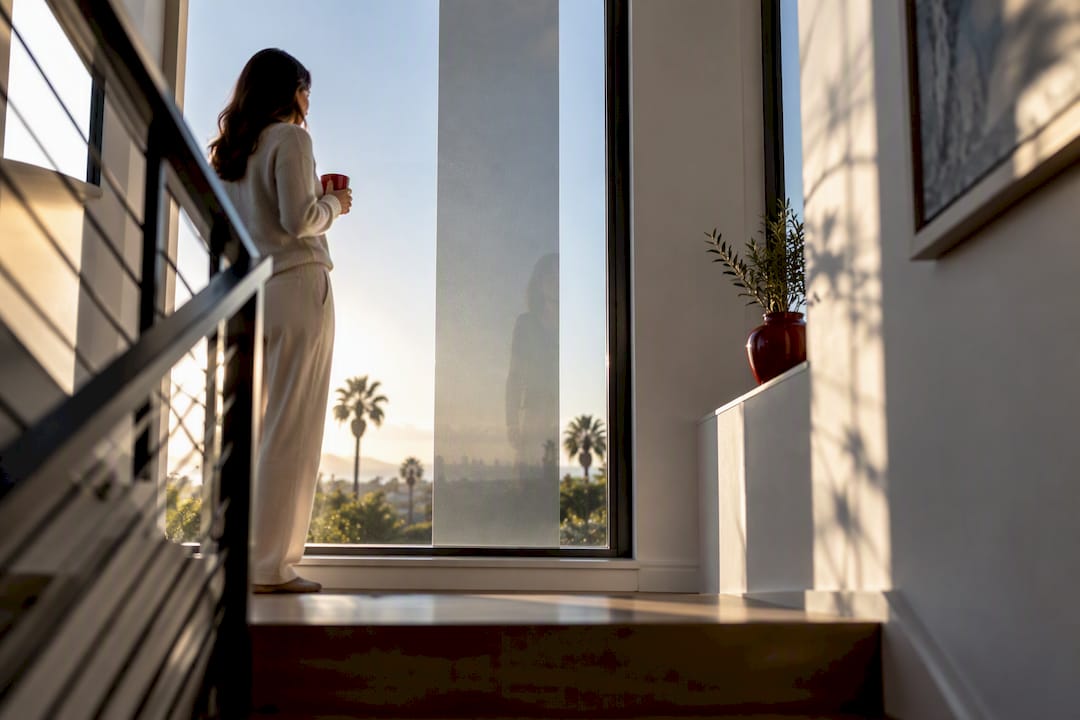
Yes, daytime privacy window film works. It uses reflectance to turn your windows into a one-way mirror during daylight hours, keeping your view out while blocking the view in. That effect depends entirely on lighting contrast, and it reverses at night once your interior lights are on. Before buying, check the visible transmittance, exterior reflectance, and a real datasheet, not a marketing slogan.
TL;DR:
- High exterior reflectance enhances daytime privacy but can cause the mirror effect to weaken if interior lighting exceeds outdoor brightness at night.
- Visible transmittance and exterior reflectance are the key specs; a high reflectance with moderate VT produces a strong daytime mirror, but sunlight orientation and indoor lighting impact the effect.
- Reflective films do not provide true nighttime privacy, so pairing with interior blinds or switching to frosted or blackout films is necessary for full coverage.
- Professional installation ensures better durability, proper handling of special glass types, and a warranty, especially important for larger or complex windows.
- Always request complete datasheets covering VT, SHGC, reflectance, and UV transmittance before purchase and avoid vague claims or products lacking full specifications.
Table of Contents
- How Daytime Privacy Window Film Actually Works
- Types of Privacy Films and When to Choose Each
- What Specs Actually Predict Privacy and Comfort?
- Why Privacy Disappears After Dark, and What to Do About It
- DIY Adhesive Film vs. Professional Installation
- A Quick Checklist Before You Buy
- Keeping Your Film Working: Maintenance and Common Failures
- Is Mirror Film Worth It, or Just Overhyped?
- Get a Professional Assessment Before You Commit
- Where to Verify These Specs Yourself
- Sources
- FAQ
How Daytime Privacy Window Film Actually Works
The trick isn’t magic, it’s light. During the day, the exterior of your home is almost always brighter than the interior. A reflective film exploits that gap: it bounces most of the outdoor light back outward before it can carry an image of your living room to the street. From your side of the glass, there’s enough contrast that you can still see out clearly.
Flip the contrast and the effect disappears. Once the sun goes down and your lamps come on, your interior becomes the brighter side of the glass. Light now travels from inside to outside, and anyone standing in your driveway can see straight in, film or no film. Manufacturers are upfront about this. Gila’s mirror privacy film line states plainly that it delivers daytime privacy but not nighttime concealment once interior lights are on, and 3M’s mirror privacy film products carry the same caveat.
Two optical properties drive whether this effect feels strong or weak on your specific windows:
- Exterior reflectance — the higher it is, the more the glass looks like a mirror from outside, and the stronger your daytime privacy.
- Visible transmittance (VT) — governs how much daylight and view quality you keep from the inside; too low and the room feels dim, too high and the mirror effect weakens.
- Orientation and weather — north-facing windows under overcast skies get less exterior brightness, which can noticeably soften the mirror effect compared to a sun-drenched south wall.
- Interior lighting habits — a bright kitchen light at dusk will punch through the privacy effect well before full darkness sets in.
A high exterior reflectance paired with a moderate VT is what actually produces that strong daytime mirror look, not either metric alone.
Types of Privacy Films and When to Choose Each
Not every privacy film behaves the same way, and picking the wrong family is the most common regret homeowners run into. Match the film type to what you actually need, day-only privacy, round-the-clock concealment, or a balance of view and heat control.
- Reflective or mirror films give you strong daytime privacy window film performance through high exterior reflectance. They look like a bright mirror from outside during daylight, and they’re the category most people mean when they search for this topic. They offer zero nighttime privacy without backup measures.
- Frosted or decorative films diffuse light instead of reflecting it, scattering the image so no one can make out shapes or movement, day or night. You lose the ability to see clearly outward, so these suit bathrooms, home offices facing a neighbor, or ground-floor windows where a soft, private glow matters more than a view.
- Spectrally selective solar-control films aren’t privacy products first. They’re built to cut solar heat and UV while keeping visible light and view largely intact, which matters if privacy is secondary to comfort and energy savings.
- Blackout or opaque films solve for total concealment at any hour, at the cost of losing the window’s view entirely. These fit storage rooms, home theaters, or security-sensitive spaces rather than living areas.
If you want 24-hour coverage without sacrificing daylight entirely, frosted and decorative film is usually the better starting point than a mirrored product stretched beyond its design.
What Specs Actually Predict Privacy and Comfort?
Sellers love to lead with one flattering number. Don’t let them. A film’s real performance only shows up when you look at several metrics together, because a strong-sounding UV claim can hide a mediocre reflectance rating, and vice versa.
Here’s what to ask for on every datasheet:
- Visible Transmittance (VT) measures the percentage of visible light passing through the glass and film combined. Common multi-pane residential windows land in a 0.30 to 0.70 VT range, and where your chosen film falls in that band tells you how bright the room stays and how strong the outward view remains.
- Solar Heat Gain Coefficient (SHGC) captures how much solar heat passes through as either direct or absorbed and re-radiated energy. Lower SHGC means less heat load, which is why the Department of Energy and NFRC treat it as a core comparison metric alongside VT and U-factor.
- Exterior reflectance is your best proxy for daytime mirror strength; the higher it runs, the more convincingly the glass hides your interior from the street during daylight.
- UV transmittance should be listed as a specific blockage percentage, not a vague “blocks UV rays” claim. Ask for the number.
Spectrally selective films demonstrate why you need the full picture rather than one figure. One example film tested on single-pane glass showed a visible transmittance of about 0.64 alongside solar transmittance of about 0.36, which means it let most visible light through while cutting a large share of solar infrared. That’s a very different performance profile than a mirror film optimized purely for reflectance, and neither number alone tells the full story. On double glazing, placing an absorbing film on the interior versus exterior surface changes how that absorbed energy dissipates and shifts the effective SHGC, so placement matters as much as the film itself.
Pro Tip: Never accept a single percentage as proof of performance. Ask for the full datasheet covering VT, SHGC, reflectance, and UV transmittance together, the way Berkeley Lab’s WINDOW methodology evaluates them, since these figures interact and one strong number can mask a weak one elsewhere.
Why Privacy Disappears After Dark, and What to Do About It
The core problem is simple physics, not a product defect. Once your interior gets brighter than the outdoors, light travels from inside to out, and the mirror effect that protected you all afternoon stops working. This is true of every reflective film on the market, and any seller who claims otherwise is overselling.
A few practical fixes close the gap without replacing the film:
- Pair mirror film with interior blinds, curtains, or cellular shades you close at dusk for a hybrid setup that covers both halves of the day.
- Adjust exterior lighting so the outside of the window stays brighter relative to your interior for longer into the evening.
- Use timed or motion-triggered interior lights to avoid leaving rooms brightly lit and exposed for hours.
- If nighttime privacy is your priority, skip mirror film for that room and choose frosted, decorative, or blackout film instead.
None of this is a workaround for a broken product. It’s just an honest accounting of what a reflectance-based film can and can’t do on its own.
DIY Adhesive Film vs. Professional Installation
Cost is usually the first question, but it shouldn’t be the only one. A roll of adhesive privacy film from a hardware store runs far cheaper than a professional job, and for a small bathroom window, that trade-off might make sense. The catches are real: bubbling, uneven edges, and no warranty if the film peels or discolors in six months.
Professional installation costs more upfront but buys you a few things a DIY kit can’t:
- Consistent, bubble-free finish across large panes, sliding doors, and awkward window shapes that punish amateur technique.
- Warranty coverage that actually holds up if the film fails prematurely, something no retail roll includes.
- Correct handling of specialty glazing. Tempered, laminated, or insulated glass can react to heat-absorbing film in ways that risk thermal stress fractures or seal failure, and industry guidance recommends evaluating glazing type before application for exactly this reason.
- A faster, cleaner process. Applied liquid-curing solar films can be masked, cleaned, applied, and cured in as little as 30 minutes with minimal household disruption, according to manufacturer-reported process data.
If your windows are standard, small, and low-risk, a DIY kit might get you by. If you’re covering a whole house, dealing with tempered or insulated glass, or you simply want the finish to look right on the first try, professional home window tinting removes most of the guesswork.
A Quick Checklist Before You Buy
Before you commit to any daytime privacy window film, run through this list with whatever supplier you’re considering. It filters out vague sales pitches fast.
- Define your privacy goal first. Daytime-only mirror film and 24-hour frosted film solve different problems; don’t buy one expecting the other’s results.
- Set your VT and SHGC targets based on how much daylight and heat control you want, not just what’s on sale.
- Confirm your glass type. Single-pane, double-pane, and tempered glass all carry different risk profiles for heat-absorbing films.
- Ask for the full datasheet, not a single headline percentage, covering VT, SHGC, exterior reflectance, and UV transmittance.
- Get warranty terms in writing, including what happens if bubbling or delamination shows up within the coverage window.
- Request a sample test on your actual window before committing to a whole-house job, since orientation and glazing affect the real-world look.
Walk away from any seller who can’t produce a datasheet, won’t discuss glass-failure risk for your specific window type, or offers no warranty at all. Those are the three biggest red flags in this category, and they show up together more often than not.
Keeping Your Film Working: Maintenance and Common Failures
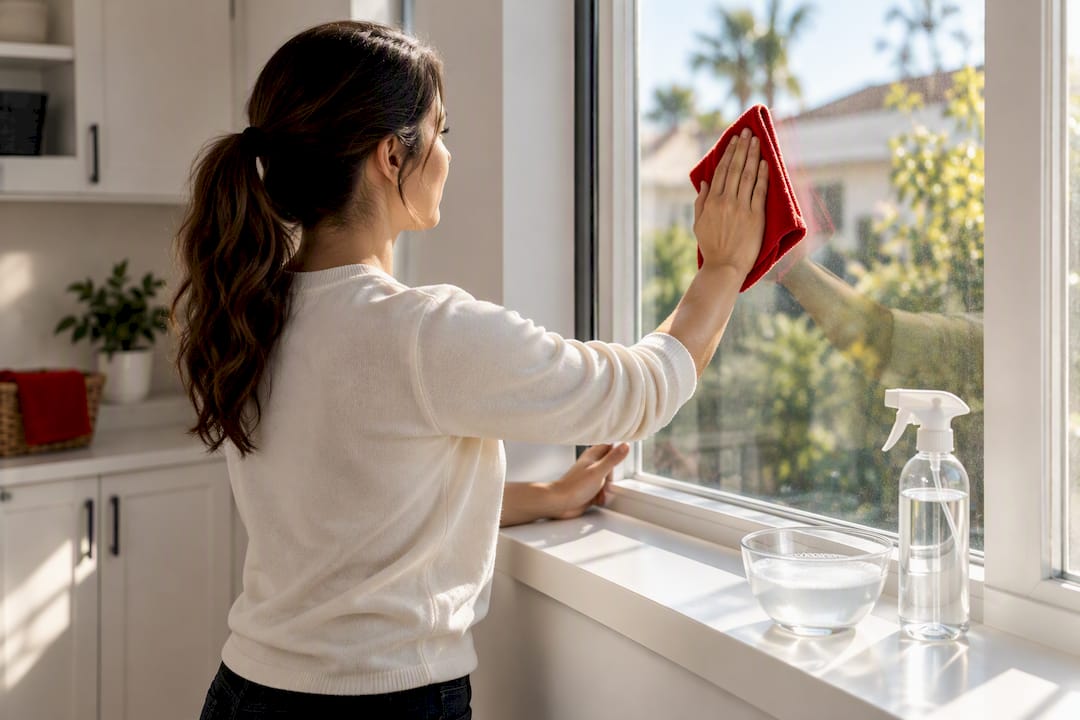
Cleaning privacy film is easy if you avoid two things: ammonia-based glass cleaners and abrasive scrubbers. Both degrade the film’s coating over time and can cause premature clouding. A soft cloth with mild soap and water is enough for routine upkeep.
Lifespan varies a lot by tier. DIY retail kits often show bubbling or edge lifting within a couple of years, while professionally installed, warrantied films from major manufacturers commonly hold up for a decade or more. The most common failure modes are bubbling, delamination at the edges, adhesive breakdown from heat cycling, and, in more serious cases, thermal stress cracking in the glass itself. That last one is why glass-failure risk deserves a real conversation with your installer before any heat-absorbing film goes on tempered or insulated glass. If you see cracking, cloudy patches spreading from an edge, or the film pulling away from the glass, call a professional rather than trying to patch it yourself.
Is Mirror Film Worth It, or Just Overhyped?
Here’s the honest take: daytime privacy window film gets oversold constantly, and it gets underrated just as often. Both reactions come from the same mistake, treating it as one product instead of a category with real trade-offs.
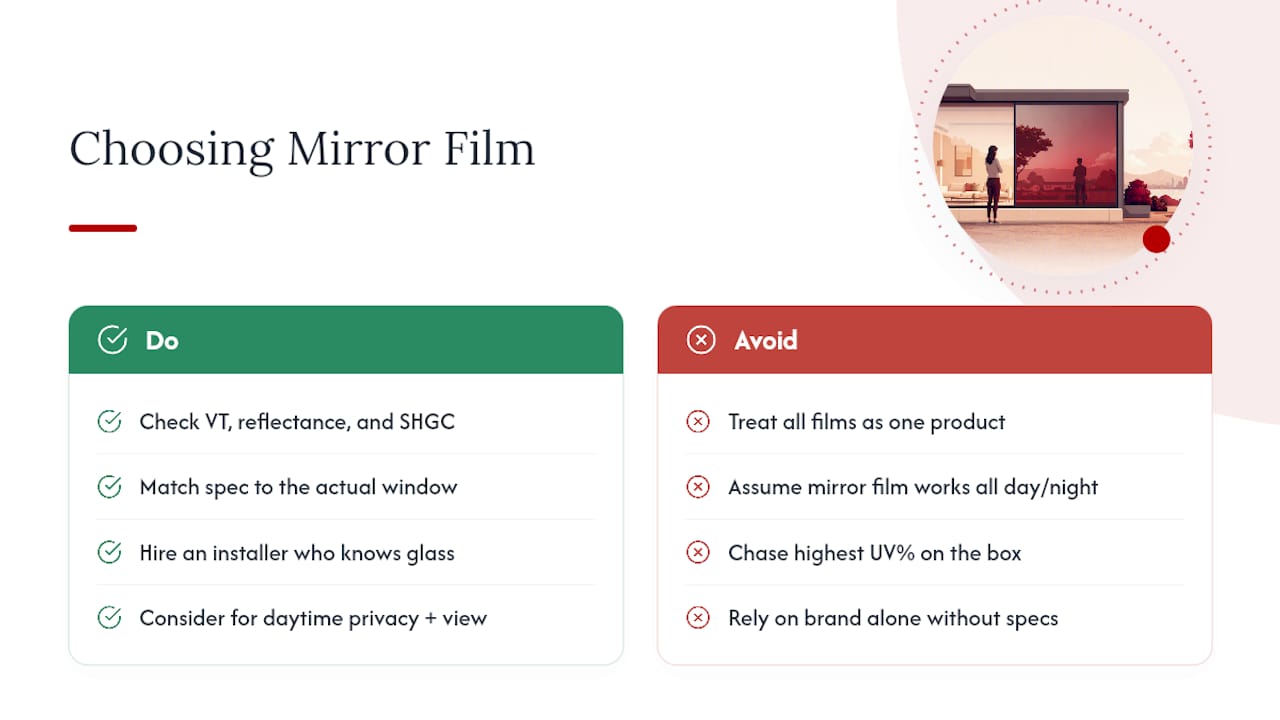
The mirror films get pitched as an all-day, all-night privacy fix, and that’s simply not how reflectance physics works. But dismiss the whole category and you miss a genuinely good tool for the specific problem it solves: daylight privacy with an intact view, plus meaningful heat and UV reduction. What separates a good installation from a disappointing one usually isn’t the film brand. It’s whether anyone bothered to check VT, reflectance, and SHGC together before the sale, and whether the installer understood the glass they were working on.
A company specializing in window film installation has worked with reflective and frosted films across Orange County and Los Angeles County homes since 2008, using premium 3M and LLumar materials backed by a lifetime warranty. The pattern holds true across those jobs: the biggest jumps in comfort come from getting the spec match right for the actual window, not from chasing the highest UV percentage on a box.
— Jake
Get a Professional Assessment Before You Commit
An advantage over a generic hardware-store roll is getting a certified crew trained on both 3M and LLumar materials, a lifetime warranty on the installation, and a free on-site estimate before spending a dollar.

That matters most when your windows aren’t simple. Large panes, tempered or insulated glass, sliding doors, or a whole-house job all raise the stakes for a clean finish and correct glass handling, exactly the cases where a thermal stress evaluation matters before any film goes on. Experienced installers assess your glazing on-site, guide you through whether reflective, frosted, or solar-control film fits your goals, and back the work with a lifetime warranty rather than a store-shelf return policy. No subcontractors are used; the crew handles the job start to finish.
If you’re ready to see what a proper daytime privacy window film installation looks like on your own windows, request a free on-site estimate for home window tinting and get a written quote before any work begins.
Where to Verify These Specs Yourself
Cross-check any seller’s claims against primary sources rather than taking a sales sheet at face value. Berkeley Lab’s solar control film retrofit guidance walks through real Tvis and Tsol figures, the Building America window selection guideline explains VT and SHGC ranges, and manufacturer hubs like 3M’s privacy film pages list SKU-level datasheets. Always ask for the NFRC-equivalent whole-window rating when one is available.
Sources
- Solar Control Window Coating Retrofit (LBNL guidance, 2025)
- Measure Guideline: Energy-Efficient Window Performance and Selection (Building America)
- Gila® Privacy Control Mirror Window Film
- 3M™ Privacy Film, Mirror (product page)
FAQ
Is There a Window Film That Gives Privacy Both Day and Night?
Not with reflective mirror film alone, since its privacy effect depends on the outside being brighter than the inside, which flips after dark. For genuine 24-hour privacy, frosted or decorative film is the more reliable choice because it diffuses light rather than relying on reflectance.
Can I Put Film on Windows for Nighttime Privacy?
Standard mirror privacy film won’t cover you at night once interior lights are on, a limitation manufacturers state directly on their product pages. Frosted, decorative, or blackout film solves this by scattering light instead of reflecting it, so it works regardless of which side is brighter.
Is There a Film Where I Can See Out but No One Can See In?
Yes, that’s exactly what reflective daytime privacy window film does during daylight hours, thanks to the exterior being brighter than the interior. The effect reverses at night, so pair it with blinds or choose frosted film if you need coverage after sunset too.
How Do I Make My Windows Private at Night Without Losing Daytime View?
Combine a reflective film for daytime with interior blinds or shades you close at dusk, giving you outward view during the day and full coverage at night. Alternatively, install frosted film only on windows where nighttime privacy matters most, and keep clear or lightly tinted glass elsewhere.
What Does Professional Window Film Installation Typically Include?
A professional job includes masking, thorough glass cleaning, film application, and a cure period, along with an assessment of your glass type to flag any thermal stress risk before work begins. Twtwindowfilm backs its installations with a lifetime warranty and works exclusively with 3M and LLumar materials; current pricing is available through a free on-site estimate.